Contact Us
STATEN ISLAND FIBERAMA

Choosing the 2026 best aluminium casement doors and windows is not just a matter of picking a slim frame or a popular finish. Buyers need to compare thermal performance, glazing, weather seals, hardware, installation quality, and after-sales support. The International Energy Agency’s Buildings report estimates that building operations account for about 30% of global final energy consumption and 26% of energy-related emissions. Those figures do not mean a window alone will solve energy loss, but they show why the whole opening deserves careful attention.
Aluminium casement door & windows can offer narrow sightlines, durable frames, and wide opening options. Yet performance varies with frame design, thermal breaks, glass specification, and how accurately the unit is installed. A useful comparison should look for documented U-values and air, water, and wind-resistance test results, rather than relying on attractive product photos. Small details matter. A well-sealed corner, correctly adjusted hinge, or suitable glazing choice can affect everyday comfort.
This guide examines what buyers should check before ordering, including configurations, materials, security features, maintenance, and questions to ask suppliers. No profile wins everywhere. A coastal home, a cold-climate renovation, and a shaded apartment may need different specifications. I would also question any claim that treats “aluminium” as a complete performance rating; it is only one part of the system. Consider the evidence, the installer, and the real conditions at your property before deciding.
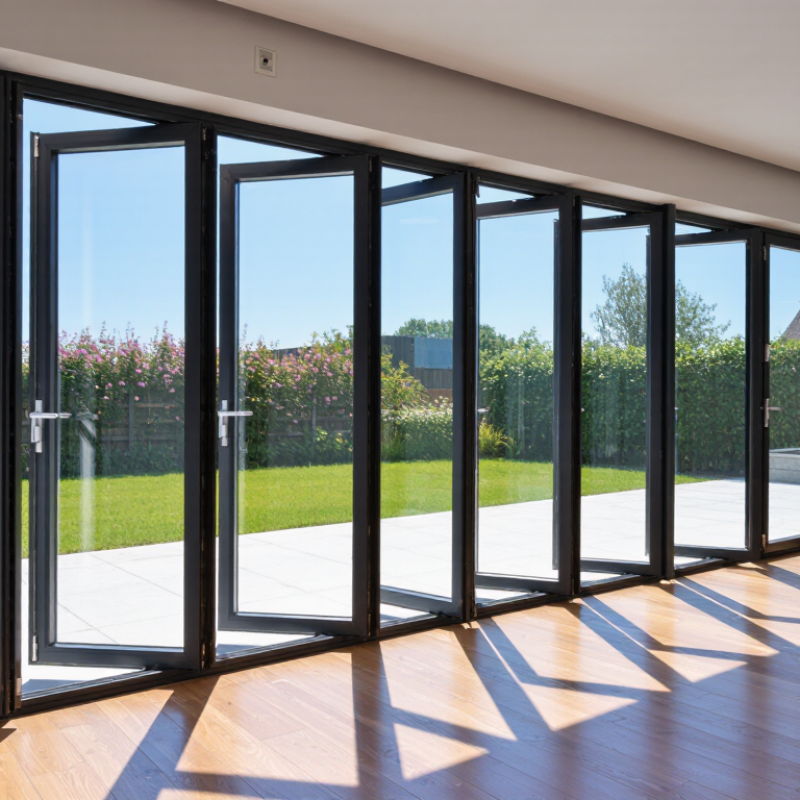
Aluminium casement doors and windows are glazed units attached to their frames by side hinges. They swing open, rather than sliding along a track. A handle or crank moves the sash, while multipoint locks can pull it snugly against the frame.
On doors, hinges support a larger, heavier panel, so hardware and installation matter. Aluminium is strong, allowing relatively slim frames and more visible glass. But metal conducts heat readily. Thermal breaks—insulating barriers within the frame—help reduce heat transfer.
That detail matters.
A tight seal can limit drafts when the unit is closed, but performance depends on the whole assembly. The U.S. Department of Energy’s Energy Saver guidance estimates that windows account for about 25–30% of residential heating and cooling energy use. This figure covers windows generally, not casement units alone.
NFRC ratings let buyers compare products by U-factor and solar heat gain coefficient. Check the rating, glass specification, weather seals, and drainage details together.
A common oversight is focusing on frame material alone. Even a well-made unit can disappoint if it is poorly installed.
The details deserve a closer look.
A single side-hung casement suits a narrow bedroom or study where one clear opening is enough. Its sash can swing outward, preserving indoor floor space, but check for nearby paths, planting, and strong winds. Slim aluminium frames can admit plenty of daylight. Measure the opening carefully.
For a wide living-room wall, paired casements or a French-style arrangement can create a broader view and useful cross-ventilation. A fixed glazed panel beside an operable sash adds light without making every section heavy to open. In a kitchen, a top-hung casement-style window above a sink may be easier to use than a sash that swings inward. Reach matters.
Bedrooms often benefit from an operable window, while bathrooms may need privacy glass and a smaller opening. For casement doors leading to a patio, confirm that the open leaves will not block furniture or narrow the route outside. Review handle height, insect screens, glazing, and frame depth with the installer; details vary by opening size and exposure. A large unit can look impressive on a drawing and still feel awkward in daily use. That part is easy to overlook.
Aluminium casement performance starts with the frame, not its appearance. A thermal break separates the outer and inner aluminium sections, reducing heat transfer through the frame. Compare frame depth and thermal performance figures, not just the profile’s slim look. Dark finishes can absorb more sun, so frame orientation and local climate matter. Small detail, real difference. Ask how the finish is tested and maintained, especially near salty air or frequent rain.
Glazing affects heat loss, solar gain, daylight, and noise. Double glazing may suit many homes, while low-emissivity coatings or laminated panes can address specific comfort or sound concerns. Check the full window’s declared thermal rating; glass-only figures tell only part of the story. Hardware matters too. Hinges must support the sash’s weight, and the locking points should pull it evenly against the seals. Stiff handles or uneven gaps are worth investigating before purchase. At a site check, open and close the sash several times, then inspect the corners and gasket contact. There is no perfect specification for every opening, and buyers sometimes focus too much on glass while overlooking installation tolerances. A capable installer should explain how the frame is fixed, sealed, and adjusted.
| Performance factor | Option or specification | Typical performance or range | Practical benefit | Buyer considerations |
|---|---|---|---|---|
| Frame construction | Aluminium frame without a thermal break | Conducts heat readily; whole-window U-factor is highly system-dependent and is often higher than for thermally broken designs. | Slim, strong profiles can support large glazed openings. | Best suited to mild climates or locations where energy performance is less demanding. Check for condensation risk in cold conditions. |
| Frame construction | Thermally broken aluminium frame | An insulating barrier separates the inner and outer aluminium sections; performance varies with the frame design and glazing. | Reduces heat transfer through the frame and can improve interior comfort. | Ask for a whole-window U-factor and tested air, water, and structural ratings—not just the frame material or centre-of-glass value. |
| Glazing | Double glazing with an insulating gas fill | Two panes with a sealed cavity; a low-conductivity gas such as argon is commonly used in the cavity. | Generally insulates better than single glazing and can reduce indoor heat loss. | Confirm the spacer type, cavity width, seal warranty, and whole-window energy rating. Gas fill alone does not determine performance. |
| Glazing | Low-emissivity (Low-E) coated double glazing | The coating changes how radiant heat passes through the glass; the effect depends on coating selection and climate. | Can help reduce heat transfer while maintaining useful daylight. | Compare certified U-factor and solar heat gain coefficient (SHGC) values. A lower SHGC may help limit unwanted solar gain but can also reduce beneficial winter sun. |
| Glazing | Triple glazing | Three panes and two cavities can improve insulation; the actual gain depends on glass, coatings, spacer, frame, and sash design. | May improve comfort and reduce heat loss in cold climates. | Typically heavier and sometimes thicker than double glazing. Check sash capacity, hinge ratings, opening effort, and whether the added cost suits the climate. |
| Glass safety | Tempered or laminated safety glass where required | Tempered glass breaks into smaller pieces; laminated glass holds fragments together using an interlayer. | Can reduce injury risk in locations where safety glazing is required or advisable. | Requirements depend on local building codes and glass location. Safety glass is not automatically security glazing; verify the specified glass build-up. |
| Weather sealing | Continuous compression seals and well-designed corner joints | Air and water performance depends on the complete sash, frame, seals, drainage paths, and installation. | Helps limit drafts and water entry when correctly designed and installed. | Request independent test results for air leakage and water penetration. Inspect seal continuity and plan for routine cleaning and replacement. |
| Operating hardware | Multi-point locking system | Engages the sash at multiple points when operated; locking-point count and layout vary by product. | Can draw the sash more evenly against its seals and improve resistance to forced entry when paired with suitable components. | Check that locks engage smoothly and that the cylinder, keepers, frame, and installation are compatible. Hardware alone does not establish a security rating. |
| Operating hardware | Hinges rated for sash size and weight | Required capacity depends on sash dimensions, glazing weight, opening angle, and exposure to wind. | Correctly specified hinges support reliable opening and help maintain sash alignment. | Ask for the maximum tested sash weight and size. Larger or heavier sashes may need upgraded hinges and more frequent adjustment. |
| Finish and corrosion resistance | Powder-coated or anodized aluminium finish | Durability depends on coating quality, preparation, exposure, and maintenance. | Protects the surface and offers a range of appearance options. | For coastal or industrial environments, confirm suitability for the exposure and follow the recommended cleaning schedule. |
| Whole-product verification | Certified ratings and installation details | Look for applicable, independently tested whole-window U-factor, SHGC, air leakage, water penetration, and structural performance data. | Makes products easier to compare on measured performance rather than appearance alone. | Ratings apply to specific configurations and sizes. Confirm local code requirements, installation method, warranty terms, and maintenance needs. |
Note: Performance varies by product configuration, size, test standard, climate, and installation. Compare certified whole-window ratings for the exact configuration being purchased.
When comparing aluminium casement products in 2026, look beyond frame thickness and showroom appearance. Check the whole-window U-factor and solar heat gain coefficient (SHGC), not just the glass specification. The U.S. Department of Energy’s Energy Saver guidance estimates that windows account for 25–30% of residential heating and cooling energy use. That makes glazing, thermal breaks, and airtight seals practical priorities, not minor upgrades. Ask for independently verified performance ratings.
Open and close each sash. It should move smoothly, lock firmly, and sit evenly against the weather seals. Look for clear air-leakage and water-penetration test results, plus hardware suited to the window’s size and weight. Small details matter. A narrow frame may admit more daylight, yet a poorly designed thermal break can leave the interior edge cold on winter mornings.
Check the finish specification and maintenance guidance, especially for windows exposed to coastal air or frequent rain. Ask how drainage channels work and whether replacement hardware will remain available. Installation matters, too: even a well-rated unit can leak if the opening is out of square or the perimeter seal is incomplete. Product sheets do not always make these trade-offs obvious, so compare test documents and installed details—not just prices.
Choosing an aluminium casement system starts with the building, not the frame colour. Note the window’s orientation, local wind exposure, opening clearance, and how often occupants will use it. Casements can open wide for ventilation, but projecting sashes may conflict with walkways or blinds. Check that the hardware suits the sash size and expected use. Small details matter.
Compare whole-window U-factor and solar heat gain coefficient, not glass specifications alone. The U.S. Department of Energy’s Energy Saver guidance estimates that windows account for 25–30% of residential heating and cooling energy use. That makes glazing, frame design, and installation worth checking together. Look for a thermal break in the aluminium frame, suitable weather seals, and performance ratings verified through the National Fenestration Rating Council. Ask for air- and water-resistance test information relevant to the project’s exposure. A high rating on paper cannot correct a poorly sealed opening. Easy to miss.
Request drawings showing frame depth, drainage paths, mullions, and connection details before approving fabrication. Confirm how the system meets the wall, especially where rain can collect on a sill. Compare maintenance needs too: salt air, dust, and frequent operation can affect finishes and hardware. A specification can look complete and still miss a site constraint, so review it against actual measurements and installation conditions.
© 2025 Fiberama All Rights Reserved.
