Contact Us
STATEN ISLAND FIBERAMA
Choosing the 2026 best Louvered Roof Panels requires more than comparing prices and product photos. Global buyers need systems that perform under local weather conditions, building practices, and maintenance expectations. Aluminum alloy, powder-coating quality, blade rotation, drainage channels, motor protection, and spare-part availability all deserve close attention. A beautiful roof can still disappoint when rainwater pools near the posts or replacement parts take months to arrive.
Paul Renson, a recognized outdoor-living industry leader, captures the practical goal clearly: “A roof should create comfort, not become another maintenance problem.” His view reflects an important buying principle. Louvered Roof Panels should support daily comfort while reducing avoidable service work. However, no universal model fits every project. Coastal homes may need stronger corrosion resistance. Snow regions require careful load calculations. Tropical markets may prioritize ventilation and rapid drainage. Commercial buyers often need reliable controls and documented warranties.
This guide compares leading options for international use. It considers material performance, weather resistance, installation complexity, automation, after-sales support, and long-term value. We also examine details that product brochures sometimes overlook, including seal design, water outlets, cable protection, and cleaning access. Some recommendations remain imperfect because supplier data is not always measured under identical conditions. That limitation matters. Buyers should verify local engineering requirements before ordering. A lower price may look attractive today. Poor compatibility can make it expensive later. The strongest choice is usually the panel system that matches the climate, structure, budget, and maintenance capacity of the project.
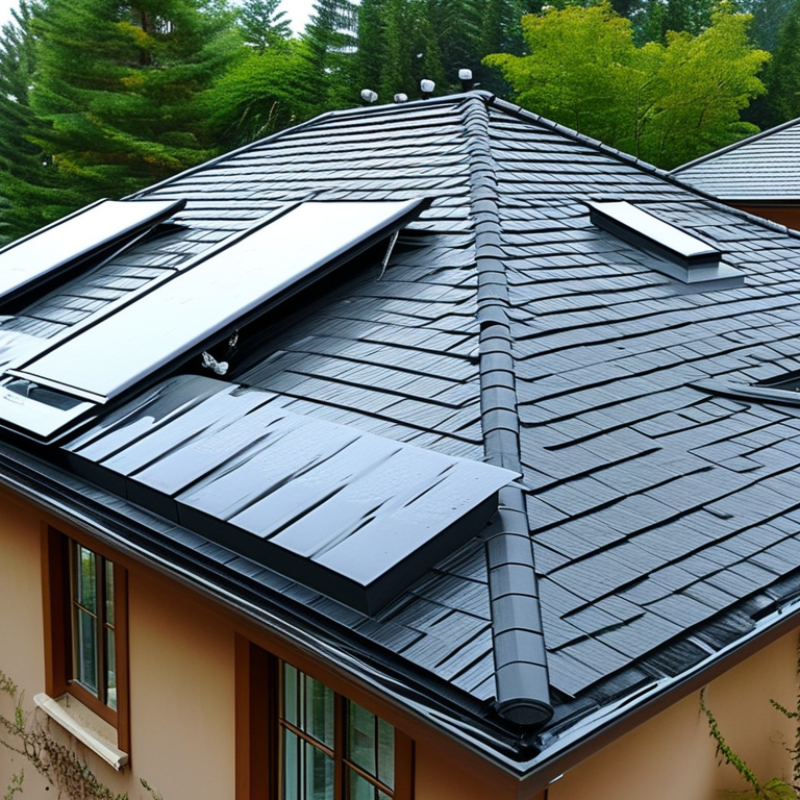
Louvered roof panels are adjustable slats installed within a supporting roof frame. Unlike fixed sheets, each slat pivots to control sunlight, airflow, and rain exposure. The slats commonly use aluminum or another corrosion-resistant material. Their shape helps direct water toward side gutters and drainage outlets.
An electric motor turns the slats through a control system, wall switch, or weather sensor. Open slats allow warm air to escape from the space below. Closed slats create shade and reduce direct rain entry. Some panels overlap with sealed edges, but they are not always equal to a fully sealed roof. That matters. Wind-driven rain can enter through small gaps, especially when installation or drainage is poorly designed.
Field experience shows that performance depends on more than panel thickness. Buyers should check wind-load data, drainage capacity, corrosion protection, motor access, and local electrical compatibility. A sensor may close the roof during rainfall, but it cannot correct blocked gutters or incorrect slopes. It is easy to focus on appearance. That is an incomplete approach. Careful buyers should also review maintenance access, replacement-part availability, and installation tolerances. Even a well-engineered panel can operate poorly when the frame is misaligned or the controls are configured incorrectly.
2026 Best Louvered Roof Panels for Global Buyers
Key Materials and Design Features for 2026
Aluminum remains a practical choice for louvered roof panels because it is lightweight and naturally resistant to corrosion. Powder-coated surfaces add color stability and reduce routine maintenance. For larger spans, galvanized steel can offer stronger structural support, but it requires careful protection at cut edges and connection points. No material is perfect. Coastal air, heavy snow, and repeated temperature changes can expose weak specifications quickly.
Modern panels should include adjustable louvers, concealed drainage channels, and sealed joints. These details help control sunlight while directing rainwater away from occupied areas. A reliable motor system should allow smooth opening and closing, with manual operation available during power interruptions. Buyers should also check wind resistance, load capacity, drainage testing, and replacement-part availability. A beautiful panel is not enough.
Tips: Request material samples and finish data before ordering. Test a full-size drainage section if possible. Check local climate records, not only product images. Small errors in slope or installation can cause pooling. I would also leave access for cleaning and inspections, because neglected channels often become the first failure point.
2026 Best Louvered Roof Panels for Global Buyers
How to Compare Panels for Different Global Climates
Buyers in 2026 should compare louvered roof panels by climate, not appearance alone. A panel suited to dry heat may fail in coastal wind. Start with local weather records, including rainfall intensity, snow load, UV exposure, and salt in the air. In Gulf climates, reflective finishes and tested thermal movement matter. In northern regions, drainage paths must resist freezing and repeated ice expansion. Small gaps become serious faults.
For tropical markets, inspect water management before color or motor speed. Louvers should shed sudden rain, while sealed joints limit wind-driven spray. Ask for corrosion testing and fastener specifications, especially near shorelines. Humid air also exposes weak coatings quickly. In cyclone-prone areas, request verified wind-load data and a clear safe-position procedure. Do not rely on a generic “all-weather” claim. It sounds convenient, not technical.
In temperate climates, prioritize seasonal flexibility. Adjustable shade can reduce summer heat, but winter daylight still matters. Compare insulation, ventilation, and drainage as one system. Installation quality often changes real performance more than panel thickness. I have seen attractive panels underperform because installers ignored roof pitch and local anchoring. That lesson is easy to miss. Buyers should also check spare-part access, maintenance intervals, and warranty exclusions. A lower purchase price may become expensive after one damaged actuator or blocked channel. Climate data should guide the shortlist, but site inspection should shape the final choice.
Choosing louvered roof panels for global projects requires more than comparing sizes and finishes. Installation begins with a verified structural survey. Confirm wind loads, snow loads, drainage paths, and fixing points with a qualified local engineer. Every support should be level before panels arrive. Even a small slope error can leave water near the frame. Use corrosion-resistant fasteners suited to the panel material and local climate. Seal joints according to the installation manual, but do not block designed drainage channels. Leave service access around motors, sensors, and electrical connections. A small mistake matters. In practice, drawings may not match the finished site, so measure again before drilling.
During operation, open and close the louvers slowly during the first test cycle. Listen for uneven movement, vibration, or motor strain. Stop immediately if panels touch or water backs up. Control settings should reflect weather conditions, occupancy, and emergency access needs. Keep hands and loose objects away from moving sections. Maintenance is simple but regular. Inspect fasteners, seals, hinges, gutters, and drainage outlets every few months. Remove leaves with a soft brush, not aggressive tools that can damage coatings. Check wiring insulation and protective devices through licensed electrical personnel. After severe wind, hail, or heavy snow, inspect the system before reopening it. Record faults with dates and photographs. That record improves future decisions.
| Evaluation Dimension | Recommended Requirement for Global Buyers | Typical Technical Range or Practice | Installation Requirement | Operation and Maintenance Requirement |
|---|---|---|---|---|
| Panel Material | Corrosion-resistant aluminum alloy is generally suitable for outdoor roof systems. | Common structural alloys include 6000-series aluminum; exact alloy and temper should be confirmed in the technical datasheet. | Use compatible fasteners and isolate dissimilar metals where galvanic corrosion may occur. | Inspect coating damage, oxidation, and fastener corrosion at least twice per year. |
| Louver Profile and Span | Select the profile according to bay width, local wind exposure, snow load, and drainage design. | Typical louver widths are approximately 100–200 mm; unsupported spans commonly require project-specific structural verification. | Verify frame level, support spacing, expansion gaps, and fixing locations before installing panels. | Do not place concentrated loads on closed or open louvers unless the system is specifically designed for access loads. |
| Weather Resistance | The complete roof assembly should be assessed for wind, rain, snow, hail, ultraviolet exposure, and thermal movement. | Performance depends on panel geometry, seals, drainage channels, frame anchorage, and local environmental conditions. | Seal joints and end conditions according to the system instructions; provide positive drainage to an approved outlet. | After severe weather, check panel alignment, seals, drainage paths, brackets, and motor connections. |
| Wind Design | Use site-specific wind-speed data and applicable local building regulations rather than a generic rating. | Design checks may include positive pressure, suction, uplift, torsion, anchorage, and operating-position limits. | Anchor posts and beams to a verified structural base; confirm edge distances and fixing torque. | Close and secure the roof when the control system indicates wind conditions exceed the approved operating limit. |
| Snow and Ice Load | Snow-load suitability must be calculated for the project location and roof configuration. | Load capacity varies with louver size, support spacing, panel angle, temperature, and accumulated snow or ice. | Provide adequate structural support and confirm whether louvers must remain open or closed during snow events. | Remove excessive snow only by an approved method; never use sharp tools or apply unauthorized de-icing chemicals. |
| Louver Opening Angle | Choose a system that provides the required balance of daylight, ventilation, shade, and rain protection. | Many motorized systems offer a continuously adjustable range up to approximately 90 degrees, subject to design. | Set mechanical stops and synchronize louvers before final commissioning. | Operate only within the manufacturer-approved angle range and stop immediately if panels bind or move unevenly. |
| Drainage and Guttering | Integrated gutters and downpipes should be sized for the local rainfall intensity and roof catchment area. | Drainage capacity depends on gutter cross-section, outlet size, roof slope, rainfall intensity, and blockage risk. | Maintain continuous falls toward outlets and test drainage with clean water before handover. | Remove leaves and debris from gutters and outlets at least twice annually and before the wet season. |
| Motor and Drive System | The actuator, gearbox, wiring, and control system should be rated for the intended outdoor environment. | Common systems use low-voltage DC or mains-powered motors with limit switches, overload protection, and manual override. | Electrical work must comply with local regulations and be completed by a qualified electrical professional. | Check unusual noise, slow movement, overheating, cable damage, and limit-switch operation during scheduled inspections. |
| Electrical Protection | Use grounding, overcurrent protection, residual-current protection where required, and weather-rated enclosures. | Voltage, frequency, ingress protection, and control compatibility must match the destination country's electrical requirements. | Protect cables from water accumulation, sharp edges, UV exposure, and mechanical damage. | Isolate power before servicing; inspect junction boxes, glands, grounding conductors, and protective devices. |
| Installation Tolerances | The supporting structure must be plumb, level, square, and capable of carrying all calculated loads. | Permitted tolerances must follow the project drawings and system instructions; do not force misaligned components into position. | Measure diagonals, post positions, beam levels, panel clearances, and fastener torque before commissioning. | Recheck alignment after the first operating cycle and after major temperature or weather changes. |
| Thermal Expansion | Allow movement in long aluminum members and avoid rigidly restraining components that require expansion clearance. | Movement is affected by member length, temperature range, material, joint design, and fixing method. | Install expansion joints, sliding connections, and flexible seals where shown in the engineering design. | Look for buckling, joint separation, seal cracking, or rubbing sounds during seasonal inspections. |
| Surface Finish | Specify a finish suitable for the exposure category, cleaning regime, and required appearance. | Common options include anodized or powder-coated aluminum; coating thickness and testing should be documented. | Avoid cutting or drilling visible surfaces where possible; repair exposed metal with an approved compatible coating. | Clean with water and a mild, pH-neutral detergent; avoid abrasive pads, strong acids, and chlorine-based cleaners. |
| Noise and Vibration | The drive system should operate smoothly without excessive vibration, rattling, or impact at the end of travel. | Noise depends on motor type, gearbox condition, panel alignment, wind, mounting rigidity, and lubrication requirements. | Tighten connections evenly and prevent metal-to-metal contact at moving interfaces. | Investigate new noise immediately; do not continue operation if vibration could damage the drive or frame. |
| Cleaning Frequency | Cleaning frequency should reflect pollution, salt exposure, pollen, dust, and nearby vegetation. | A general starting point is every 6–12 months; coastal, industrial, or heavily polluted locations may require more frequent cleaning. | Provide safe access and avoid walking on unsupported louvers or wet surfaces. | Rinse loose dirt first, wash with mild detergent, rinse thoroughly, and dry or allow to air-dry without abrasive wiping. |
| Inspection Schedule | Document routine inspections and retain records for the building owner or facility manager. | Perform visual checks monthly or quarterly, detailed maintenance at least annually, and post-storm inspections when necessary. | Complete commissioning records, electrical test results, drainage tests, and operating-control checks at handover. | Record defects, corrective actions, replacement parts, dates, and responsible personnel. |
| Safety and Access | Risk assessment, fall protection, lockout procedures, and safe access equipment are essential for installation and servicing. | Applicable occupational safety, electrical, structural, fire, and local building requirements must be followed. | Keep personnel clear of moving louvers and isolate electrical power before working on motors or controls. | Restrict access during maintenance and replace guards, covers, and safety labels before returning the system to service. |
| Documentation for Import and Handover | Request complete technical, installation, electrical, warranty, and spare-parts documentation before purchase. | Useful documents include drawings, material specifications, load calculations, wiring diagrams, test reports, manuals, and packing lists. | Verify delivered quantities, dimensions, accessories, and serial or batch records against the approved order. | Store manuals, maintenance logs, finish codes, replacement-part information, and emergency contact details on site. |

Note: Final panel selection and structural design must be verified against the project's local wind, snow, seismic, electrical, drainage, and building-code requirements.
2026 Best Louvered Roof Panels for Global Buyers
Safety should guide every louvered roof purchase, not only the quoted price. Ask for tested wind-load, snow-load, drainage, and corrosion-performance data. In coastal areas, salt exposure can damage ordinary finishes within a few seasons. Aluminum thickness matters. So does the strength of every joint.
Electrical parts need suitable voltage, ingress protection, and local installation approval. Requirements differ between countries and even between cities. A supplier’s test report is useful, but it may not replace approval from your local building authority. Have a qualified engineer check the roof structure, anchoring, and drainage route. Small mistakes become expensive after shipping.
Calculate the full landed cost. Include panels, frames, motors, sensors, packaging, freight, insurance, import duties, taxes, installation, and replacement parts. A low factory price can become a poor deal after customs delays. Confirm Incoterms, delivery dimensions, payment protection, and warranty coverage in writing. Request samples or detailed drawings before placing a large order.
International buyers should also verify spare-part availability and technical support across time zones. Ask for corrosion categories, finish specifications, maintenance instructions, and clear packing lists. Measure the installation area twice. I once trusted an early site measurement, and the final frame needed adjustment. That error was avoidable. Supplier claims deserve questions, not blind confidence.
Indicative installed cost ranges by market, including the louvered roof system, standard controls, structural supports, and installation. Final pricing depends on span, wind and snow loads, drainage, automation, finishes, freight, duties, and local compliance requirements.
These planning ranges are expressed in 2026 USD per square metre and are intended for early-stage international budgeting rather than quotations. Buyers should request structural calculations and verify applicable requirements, such as EN 1090 and Eurocodes in Europe, ASCE 7 and local building codes in the United States, NCC requirements in Australia, and project-specific wind, snow, drainage, electrical, and corrosion-protection standards in every destination market.
© 2025 Fiberama All Rights Reserved.