2026 Best Patio Windows for Energy Efficiency?
Choosing energy-efficient Patio Windows in 2026 is about more than comparing glass labels. A wide patio opening can brighten a room, but it can also become a chilly spot beside the sofa. Frame material, glass coatings, spacers, weather seals, and installation all affect comfort. Window researcher John Carmody’s work offers a useful takeaway: “Evaluate the complete window system, not the glass alone.” That is a practical starting point, not a guarantee of lower bills.
This guide explores the features that matter, including low-emissivity glass, insulated frames, and ratings suited to your climate. It also considers sliding and hinged designs, because a window’s operation can influence its seal and everyday usability. Look closely at the label. Compare products with the same rating system, and check whether the stated performance applies to the full unit. Installation matters, too. Even a high-performing window may disappoint if gaps let air move around its frame.
There is no single best choice for every home. A sunny room, a shaded façade, and a drafty older opening bring different needs. Product claims can sound reassuring; the details deserve a second look. The sections ahead will help you weigh measured performance against the realities of your room, budget, and local weather—without assuming that the most expensive Patio Windows are automatically the most efficient.
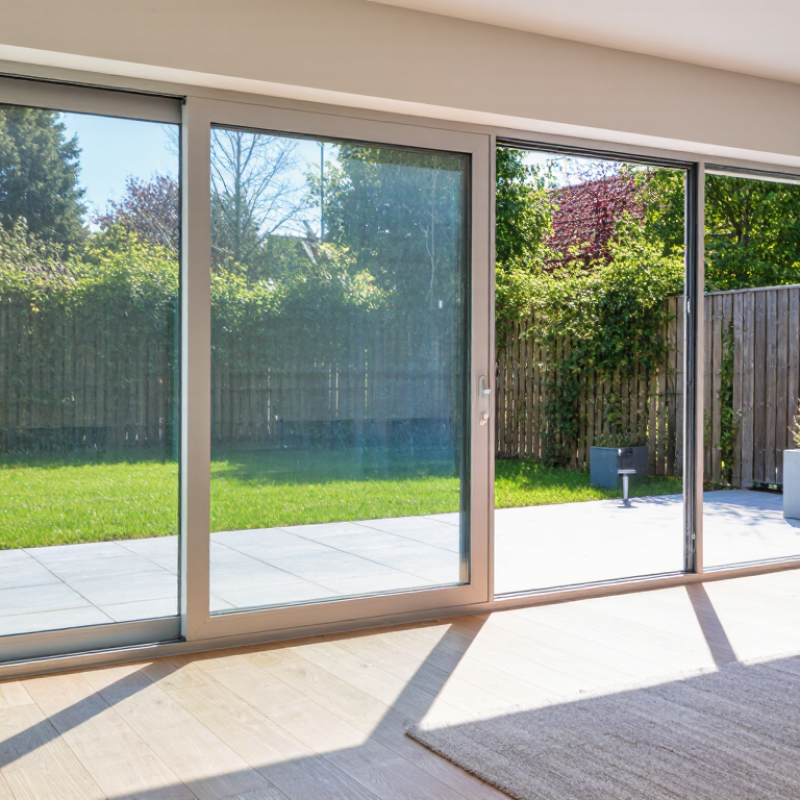
How Patio Windows Affect a Home’s Energy Use
A patio window can brighten a room, but its broad glass area may also increase heat gain and heat loss. On a sunny afternoon, the floor beside the glass can feel noticeably warm. On a cold morning, that same area may feel chilly, especially if the window leaks air or has weak insulation.
Energy performance depends on more than the frame. A lower U-factor generally means less heat passes through the window, while the solar heat gain coefficient indicates how much sunlight enters as heat. The right balance depends on climate, window direction, and shading. South- and west-facing glass can bring strong afternoon sun. Exterior awnings, curtains, or nearby trees can help manage it. Small gaps matter.
Check the seals and installation, too. Even efficient glass cannot compensate for a poorly fitted frame; drafts around the edges can undermine comfort and raise heating or cooling demand. Ask for performance ratings suited to your local climate, and compare the whole window assembly rather than one feature alone. There is no perfect option for every home. A large patio window may still be worth choosing for daylight and a garden view, but the trade-off deserves an honest look. Regularly inspect weatherstripping, since it can wear or loosen over time.
Which Patio Window Types Offer Better Insulation
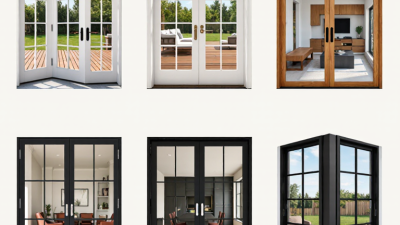
When comparing patio window types for insulation, start with how each one closes. Hinged patio doors usually press against compression seals when shut, which can limit drafts around the edges. Sliding units are convenient in tight spaces, but their overlapping panels may rely on brush-style seals. Small gaps matter. A cold ribbon of air near the track can make a room feel chilly, even with efficient glass.
Fixed glass panels generally offer fewer moving joints, so they can be easier to seal well. They do not open for ventilation, though. Folding systems have many panel connections and hardware points; their insulation depends heavily on careful adjustment and installation. I would not judge a unit by glass alone. Frame material, thermal breaks, spacer construction, and the quality of the perimeter seal all affect heat loss.
Look for double- or triple-pane glass with low-emissivity coatings, and ask whether the sealed cavity uses insulating gas. Compare whole-window performance figures, not just the center-of-glass rating. Then inspect the sill and weatherstripping in person. A well-made sliding unit can outperform a poorly fitted hinged one. That is the less tidy answer, but it is often the useful one. Seal wear, installation gaps, and local exposure can change results over time.
How to read this: Lower U-factor means less heat flows through the door, so insulation is better. Glazing configuration generally matters more than whether a patio door slides or swings. Values shown are approximate examples, not ratings for specific products; compare certified NFRC ratings when shopping.
Key Energy Ratings for Comparing Patio Windows
When comparing patio windows, start with the NFRC label rather than the glass description. The U-factor measures heat flow; a lower number generally means better insulation. In cold regions, this rating can matter during long heating seasons. A small detail. Check that each product’s rating covers the complete window, including its frame, not glass alone.
Solar Heat Gain Coefficient, or SHGC, estimates how much solar heat passes indoors. Lower SHGC can help limit summer heat, especially on sunny west-facing walls. In colder climates, some solar gain may be welcome. There is no universal best number. Compare ratings for your climate, window direction, and shading—not just a national average.
Visible transmittance can also help: it indicates how much daylight enters, which may affect comfort and lighting needs.
Air leakage ratings describe how much air can pass through a closed window. Lower leakage may reduce drafts near seating areas, though installation quality still matters. Look for consistent test units and methods before comparing figures; labels are easy to misread. Condensation resistance is another useful rating, particularly in humid rooms or cold weather. I find this one less intuitive, and it is not a guarantee against condensation. A careful comparison should include frame material, glazing, seals, and the installer’s measurements.
How Frames, Glass, and Seals Influence Efficiency
Energy performance starts with the frame, not just the glass. Vinyl, fiberglass, wood, and aluminum conduct heat differently, while insulated or thermally broken frames can reduce heat transfer. Aluminum frames without a thermal break may feel cold to the touch in winter. Small detail. Compare whole-window performance ratings, not glass claims alone, because the frame affects the finished unit.
Glass layers and coatings matter, too. Double-pane glass with a low-emissivity coating can limit heat loss while still admitting daylight. An inert gas between panes may improve insulation, but its benefit depends on the complete window assembly and long-term seal integrity. Spacers at the glass edges also influence cold spots and condensation. On a chilly morning, fogging near the edges can reveal where the glazing is weakest.
Even efficient materials underperform when seals or installation are poor. Check for continuous weatherstripping around the sash and a snug meeting point where moving panels close. A thin draft near the track may signal worn seals, poor adjustment, or an installation gap. These causes can look alike, so inspection matters. I would not judge efficiency by one feature; a premium glass package cannot compensate for a leaky frame. Conversely, a modest window installed squarely and sealed carefully may perform better than expected.
How to Choose and Install an Energy-Efficient Patio Window
Choosing an energy-efficient patio window starts with your climate, wall opening, and sun exposure. Compare certified ratings, including U-factor and solar heat gain coefficient, rather than relying on the word “efficient.” A lower U-factor generally means less heat transfer; the best solar gain depends on your local weather and the window’s direction. Check that the glass has a suitable low-emissivity coating and insulated panes. Frames matter, too: their insulation and resistance to warping affect comfort over time. Measure the opening carefully. Measure twice. Even a small sizing error can complicate installation.
Before fitting the window, inspect the sill and framing for moisture damage or uneven surfaces. Follow the window maker’s installation instructions, and use compatible flashing, sealant, and insulation around the frame. Keep drainage paths clear; sealing every gap without a drainage plan can trap water. Set the unit level and square, then test that the panels slide and lock smoothly. It is tempting to fill every visible gap with foam, but excessive foam may distort the frame. After installation, check for drafts on a cool, windy day and watch for condensation. A qualified installer can help when the opening is out of square or the wall shows signs of water damage. Even good windows can disappoint when fitted poorly.