7 Best Exterior Doors With Sidelights for Global Buyers?
Choosing the right Door With Sidelights is more complicated than comparing colors and glass patterns. Global buyers face different climates, building methods, security expectations, and installation practices. A door that performs well in Toronto may need different insulation in Dubai or coastal Singapore. Weather exposure changes everything.
Building-science expert Joseph Lstiburek has repeatedly stressed, “Water is the most important thing in building science.” That warning matters here. Sidelights can brighten a dark entryway, but poorly sealed frames may invite drafts, moisture, and premature damage. Strong designs combine insulated cores, durable weatherstripping, safe glazing, reinforced hinges, and correctly sloped thresholds.
This guide examines seven strong exterior door options with sidelights for international buyers. It considers fiberglass, steel, wood, composite construction, glass privacy, thermal efficiency, and maintenance demands. Some choices suit modern villas. Others fit traditional homes, apartments, or commercial entrances.
No single door wins everywhere. That is the uncomfortable part. Local sun, wind, rain, salt air, and installer skill can change the final result. Even a premium unit may disappoint when the opening is measured poorly. Buyers should verify regional standards, warranty coverage, replacement parts, and professional installation before ordering.
The best Door With Sidelights should feel welcoming without becoming fragile. It should admit daylight while controlling heat and visibility. Most importantly, it must protect the opening through changing seasons. The ranking ahead is practical, but not perfect. Real buildings can expose weaknesses that product photographs hide.
Types of Exterior Doors With Sidelights for Different Home Styles
Exterior doors with sidelights can change how a home feels before guests enter. The right style should match the architecture, climate, and daily traffic. For traditional homes, a solid wood or wood-look door with narrow decorative sidelights creates a balanced, formal entrance. Clear or lightly textured glass preserves daylight without making the doorway feel exposed. In my experience, divided glass patterns work best with brick façades and symmetrical porches.
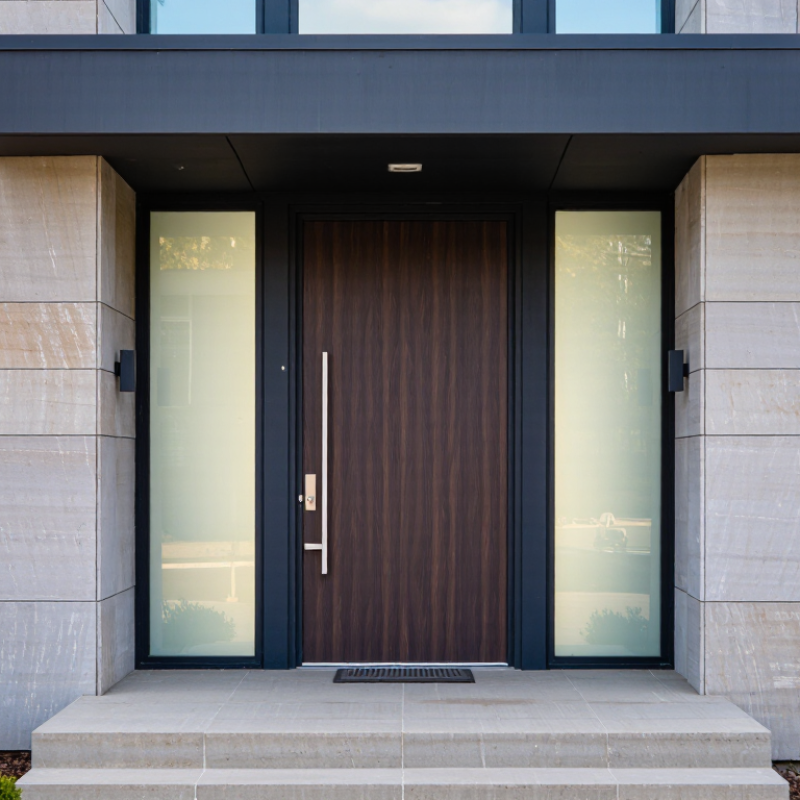
Farmhouse homes often suit plank-style doors with wide sidelights, black hardware, and warm glass tones. These details add character without looking overly polished. A contemporary home may need a flush fiberglass or metal door with slim vertical sidelights. Frosted glass and clean frames support privacy and sharp geometric lines. Coastal houses benefit from corrosion-resistant materials, laminated glass, and pale finishes that handle bright sunlight and moist air.
Mediterranean and craftsman homes need different choices. Arched or heavily grained doors can complement stucco, stone, and exposed timber. Craftsman entrances usually look stronger with square panels, divided sidelights, and earthy colors. Security glass is worth considering near busy streets. Weatherstripping, a properly sloped threshold, and sealed joints matter as much as appearance. Small gaps can invite drafts and water. A mistake I have seen is choosing oversized glass for a narrow façade; the entrance then feels unbalanced. Style guides help, but each doorway deserves careful measurement and honest reconsideration.
Key Features to Compare Before Choosing a Sidelight Door
7 Best Exterior Doors With Sidelights for Global Buyers
When comparing exterior doors with sidelights, start with the door’s material and climate performance. Fiberglass resists moisture and temperature changes, while engineered wood offers a warmer appearance. Solid wood can be beautiful, but it needs regular sealing in humid or coastal regions. Check the frame construction carefully. Weak joints may allow water and air leakage.
Glass selection deserves equal attention. Look for double glazing, low-emissivity coatings, and laminated safety glass. These features can improve insulation, reduce outside noise, and limit injury if the glass breaks. Clear glass brings in more daylight. Obscured or textured glass offers better privacy. Measure the glass panel width, not only the full door opening.
Security details also vary. Compare multipoint locks, reinforced strike plates, strong hinges, and impact-resistant panels. The threshold should drain water away from the interior. A raised threshold may perform well in rainy areas, but it can create an accessibility problem. I once underestimated this detail on a renovation project. The door looked excellent, yet the step felt awkward in daily use.
Check opening direction, wall thickness, rough-opening dimensions, and local installation standards before ordering. Some homes require left-hand operation, while others need right-hand operation. Confirm the warranty terms, replacement-glass availability, and maintenance requirements. A lower purchase price may become expensive when custom repairs are difficult to source overseas.
Seven Exterior Door Designs With Sidelights for Global Buyers
Seven exterior door designs with sidelights can suit different climates, entry sizes, and architectural styles. A full-glass sidelight creates a bright, welcoming entrance. A half-glass design offers more privacy. Narrow vertical sidelights work well beside compact doors. Arched sidelights add traditional character, while square panels create a clean modern appearance. Frosted glass improves privacy without removing daylight. Decorative grille designs provide visual detail. Double sidelights make wide entrances feel balanced and impressive.
Material selection deserves careful attention. Fiberglass resists moisture and usually requires limited maintenance. Solid wood offers warmth, but it needs regular sealing in wet or sunny regions. Steel provides strength, although damaged finishes may eventually rust. Check the door’s weather seal, threshold height, hinge quality, and drainage details before ordering. Measurements should include the complete frame, not only the door slab. A beautiful design can still perform poorly if installation is inaccurate. That detail is often underestimated.
Tips: Confirm local climate requirements and opening direction. Choose laminated or tempered glass for improved safety. Ask for thermal performance data, warranty terms, and replacement-part availability. Samples can look different under strong daylight. View them outdoors if possible. Also, do not assume a larger sidelight always improves an entrance; glare and privacy may become problems.
Materials, Glass Options, Security, and Energy Efficiency Explained
7 Best Exterior Doors With Sidelights for Global Buyers
Exterior doors with sidelights can transform a dark entrance into a bright, welcoming space. The best choices depend on climate, security needs, and maintenance expectations. Fiberglass doors resist moisture and warping, making them practical for humid or coastal regions. Steel doors provide strong impact resistance, although exposed surfaces may dent or rust without proper protection. Solid timber offers warmth and character, but it needs regular sealing in changing weather.
For sidelights, laminated glass improves security because its inner layer holds fragments together after impact. Tempered glass is safer than ordinary glass, but it can still break suddenly. Low-E double glazing helps reduce heat transfer, while triple glazing suits colder climates and noisy urban areas. Clear, frosted, textured, and tinted glass each affect privacy and daylight differently. The seven strongest options include fiberglass, steel, timber, composite, insulated glass, laminated glass, and decorative privacy glass. There is no perfect combination. I have seen attractive doors perform poorly when installers ignored drainage and frame alignment.
Tips: Check the door’s U-value, air leakage rating, and weather seal quality. Ask for glass performance data, not vague energy claims. Choose outward appearance carefully, but inspect hinges, multipoint locks, and threshold protection first. Measure the opening twice. Small errors become expensive problems. In windy regions, reinforced frames matter more than decorative details. A secure door also needs professional installation; even excellent materials cannot correct a badly fitted frame.
7 Best Exterior Doors With Sidelights for Global Buyers
Materials, glass options, security, and energy efficiency explained through representative whole-assembly U-factors.
Lower U-factor means lower heat transfer and generally better insulation. The figures shown are representative planning values in W/m²·K for complete door-and-sidelight assemblies; actual results vary with frame design, dimensions, installation, spacers, weather seals, and local testing standards.
Materials
Insulated fiberglass and steel usually provide strong thermal performance. Wood offers natural insulation but needs regular moisture protection. Thermally broken aluminum reduces heat transfer compared with conventional aluminum frames.
Glass options
Low-E coatings reduce radiant heat transfer, while triple glazing adds another insulating cavity. Laminated glass improves forced-entry resistance and helps retain fragments after breakage; tempered glass improves impact safety but is not a security substitute by itself.
Security details
For a secure sidelight system, look for laminated glazing, reinforced door and sidelight frames, a properly anchored strike plate, multipoint locking, continuous weather seals, and installation tested to the requirements of the destination market.
Installation, Maintenance, and Regional Buying Considerations
Choosing among the seven best exterior doors with sidelights requires more than comparing appearance. Installation conditions often decide long-term performance. Measure the rough opening, wall depth, threshold height, and door swing carefully. A few millimeters can create costly problems. Use compatible flashing and sealant around the frame, especially in rainy regions. Coastal buyers should consider corrosion-resistant hardware and sealed edges. Cold climates need insulated cores and low-conductivity glazing. Hot, sunny areas benefit from solar-control glass and UV-resistant finishes.
Tips: Ask for installation drawings before ordering. Confirm the handing, sidelights, glazing type, and rough-opening dimensions in writing. Check local building requirements for safety glass, energy performance, wind resistance, and emergency egress. These rules vary widely between regions. Plan delivery access too. A large framed unit may not pass through a narrow hallway or steep driveway.
Maintenance should match the local environment. Inspect perimeter seals twice yearly, particularly after heavy storms. Clean glass with mild soap, and avoid abrasive pads. Lubricate hinges and locks according to the hardware instructions. Refinish exposed timber when the surface begins to fade or crack. I once underestimated afternoon sun on a south-facing entrance; the finish deteriorated faster than expected. That mistake changed how I assess orientation and overhang depth. Humid areas also demand regular checks for swelling, mold, and blocked drainage channels. Replacement parts should be available locally, because international shipping can delay a simple repair.