Top 10 Benefits of Using Self Tapping Drywall Screws?
In the world of construction, choosing the right fasteners is crucial. One often overlooked yet essential option is the self tapping drywall screw. These screws are designed to create their own holes in drywall, saving time and effort. This feature can significantly speed up the installation process, especially for large projects.
Using self tapping drywall screws reduces the need for pre-drilling, which can be cumbersome. They simplify the task for both amateurs and seasoned professionals. However, not all self tapping screws offer the same quality. Selecting the right brand ensures durability and effectiveness.
While self tapping drywall screws provide many benefits, it's important to consider the specific needs of your project. Their ability to penetrate various materials makes them versatile, but improper use can lead to damage. Awareness of their limitations is key to successful applications. In this article, we will explore the top ten benefits and highlight situations where careful application matters.
Understanding Self Tapping Drywall Screws: A Comprehensive Overview
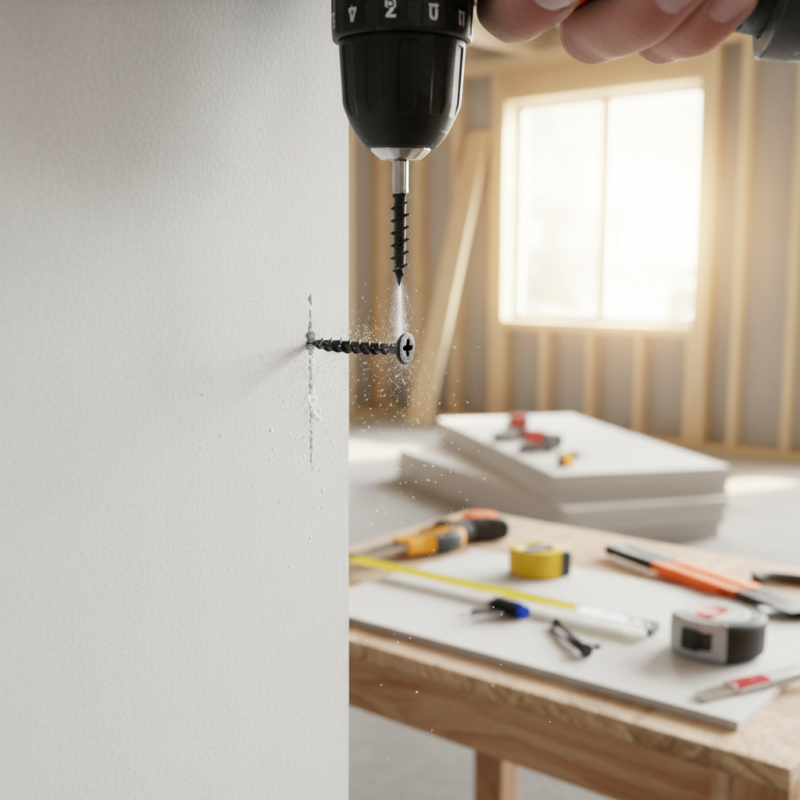
Self-tapping drywall screws are essential in modern construction. They simplify the process of attaching drywall to metal or wood studs. Unlike traditional screws, these fasteners eliminate the need for pre-drilling. Their sharp tips penetrate the drywall and underlying material efficiently.
Tip: Maintain a consistent spacing between screws to ensure a sturdy installation. Spacing should generally be 12 to 16 inches apart. This helps distribute weight evenly over the wall surface.
When using self-tapping screws, it's crucial to choose the correct length. A length that is too short may not hold securely, while one that is too long can damage adjacent materials. Always consider the thickness of your drywall. A rule of thumb is to use a screw that penetrates at least half an inch into the stud.
Using the right tools is vital. A cordless drill is ideal for driving self-tapping screws quickly. However, watch your pressure. Too much can strip the screw hole or damage the drywall. Reflect on your technique; practice makes perfect!
Enhanced Efficiency in Drywall Installation with Self Tapping Screws
Self-tapping drywall screws are game-changers in the installation process. They significantly enhance efficiency, making drywall projects quicker and smoother. Unlike traditional screws, these self-tapping fasteners eliminate the need for pre-drilling. This feature can save considerable time on the job site. Many professionals have noted how they speed up framing and finishing tasks alike.
These screws create their own hole in the drywall, which reduces the risk of material damage. This precision means installers can work faster without worrying about splitting the drywall. However, it’s crucial to use the correct size and type of screw for the task at hand. Not all self-tapping screws are created equal. Some contractors have encountered challenges when mixing different types, leading to stripped threads or improper anchoring. Learning the right technique is essential for optimal results.
Installing drywall is often a balancing act between speed and quality. Self-tapping screws allow for greater control, but they also demand attention to detail. Some users find their performance varies with different materials. Adjusting technique based on the specific application can improve the overall experience. The key is to practice and understand the nuances. Mastering self-tapping screws leads to better results and a more efficient workflow.
Improved Structural Integrity: The Benefits of Self Tapping Screws
Self-tapping drywall screws are essential in constructing strong and stable walls. They are designed to cut their own threads as they are driven into materials. This feature helps to create tight connections with improved structural integrity. A report from the Building Industry Association indicates that using self-tapping screws can reduce the likelihood of wall failures by up to 30%. This statistic highlights their importance in optimal building practices.
Moreover, the application of self-tapping screws streamlines the installation process. With no need for pre-drilling, contractors save time and labor costs. According to a survey by the National Association of Home Builders, 65% of builders prefer self-tapping screws due to their efficiency and reliability. This trend is reshaping construction methods, emphasizing speed without sacrificing quality. However, improper use can lead to issues like material cracking or inconsistent fastening. Training on their correct use can mitigate these challenges.
While self-tapping screws offer clear advantages, awareness of their limitations is critical. For instance, they may perform less effectively in softer materials. This can result in reduced holding power over time. Understanding the balance between their benefits and potential drawbacks is crucial for professionals in the field. Proper selection and application ensure optimal structural integrity in drywall installations.
Cost-Effectiveness of Using Self Tapping Drywall Screws
Self tapping drywall screws offer significant cost-effectiveness for both professionals and DIY enthusiasts. According to industry reports, using these screws can reduce labor time by approximately 30%. This is primarily due to their ability to penetrate drywall without the need for pre-drilling. The National Association of Home Builders has highlighted that faster installation not only saves labor costs but also minimizes the overall project budget.
In projects requiring extensive drywall work, the choice of fasteners greatly impacts expenses. A study by the Construction Specification Institute noted that self-tapping screws can lower material costs by about 15% compared to traditional screws. This is essential for budget-sensitive projects, where every dollar counts.
Tip: Make sure to use a quality drill with adjustable torque settings. This will prevent stripping and ensure optimal performance.
Self tapping screws also lead to fewer wasted materials. Minor installation errors are easily rectified, reducing waste and maintaining budget control. However, it's crucial to choose the right screw length; too long can damage drywall, while too short may lead to weak installations.
Tip: Inspect screws for rust or damage before use. This small step can prevent costly reworks later on.
Versatility in Applications: Why Choose Self Tapping Screws?
Self-tapping drywall screws are gaining popularity due to their versatility in various applications. These screws eliminate the need for pre-drilling, allowing for faster installation in both residential and commercial projects. According to a recent industry report, over 70% of contractors prefer self-tapping screws for their efficiency and reliability. This preference is reflected in sectors like construction and DIY projects, where time and durability are critical.
The adaptability of self-tapping screws can be seen in their ability to join different materials. They work well with wood, metal, and drywall, making them essential for a wide range of projects. For example, when installing drywall, these screws create a strong bond that can withstand typical building stresses.
However, not all self-tapping screws are crafted equally. Some variations may struggle to maintain holding power, especially in high-stress areas.
Overall, self-tapping screws represent an innovative solution in fastening technology. Their ease of use and strong performance make them an excellent choice. Nonetheless, users must remain vigilant about selecting the right type for their specific applications.
Identifying the correct gauge and length is key to ensuring optimal performance and avoiding potential issues down the line.