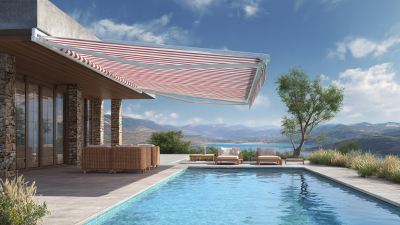
How to Choose the Best Door Awning for Your Home and Enhance Curb Appeal
When considering the aesthetic and functional upgrades to your home, a "Door Awning" serves as an excellent addition that not only enhances curb appeal but also provides protection from the elements. According to a recent industry report by the Home Improvement Research Institute, properties featuring well-designed door awnings can see a remarkable increase in perceived value, with estimates suggesting a potential return on investment of up to 85%. This statistic highlights the importance of making informed choices when selecting an awning that complements your home's architectural style.
Expert insights also emphasize the significance of quality and design in door awnings. For instance, design consultant Mark Thompson states, “A thoughtfully chosen door awning not only offers practical benefits but also contributes to a home's overall personality.” Such considerations are crucial as they intertwine aesthetics with functionality, ensuring homeowners select an awning that speaks to their individual style while providing the necessary protection.
Ultimately, the process of choosing the right door awning encompasses several factors, including material, size, and design. As homeowners seek to create inviting entrances, an informed decision can elevate not just the practicality of their space, but also its visual appeal, transforming ordinary thresholds into welcoming, stylish entries.
Understanding the Purpose and Benefits of Door Awnings
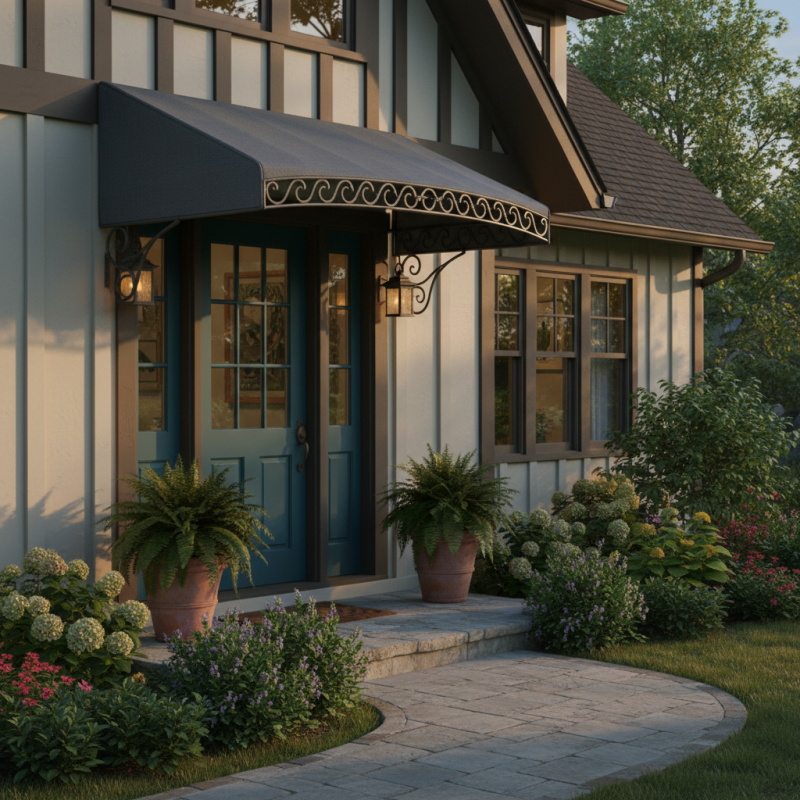
Door awnings serve both functional and aesthetic purposes for a home. They protect entries from harsh weather elements, such as rain and snow, while also providing shade on sunny days. This additional coverage ensures that doorways remain dry and accessible during inclement weather, making it easier for residents and guests to enter and exit without getting wet. Furthermore, a well-chosen awning can significantly enhance the curb appeal of a home, adding character and style to its exterior.
When choosing a door awning, consider the materials and design that best complement your home’s architecture. Tip: Opt for durable materials like metal or high-quality fabric that can withstand varying weather conditions. Additionally, think about the color and pattern—select one that harmonizes with your existing decor to create a cohesive look. Another important aspect is the size of the awning; it should adequately cover the doorway without overwhelming the space. Tip: Measure your entryway carefully before making a purchase to ensure the awning fits perfectly.
Lastly, installation and maintenance considerations should also guide your decision. Many awnings come with easy installation options, allowing homeowners to set them up without professional help. Tip: Regularly check for any wear and tear, especially after extreme weather, to prolong the lifespan of your awning. By understanding the purpose and benefits of door awnings, you can make an informed choice that enhances both functionality and the aesthetic appeal of your home.
How to Choose the Best Door Awning for Your Home and Enhance Curb Appeal
| Feature |
Description |
Benefits |
| Material |
Aluminum, Vinyl, Fabric |
Durability and versatility depending on weather conditions. |
| Style |
Traditional, Contemporary, Retractable |
Enhances architectural style and personal aesthetics. |
| Size |
Standard sizes or custom measurements |
Proper fit protects entryways effectively. |
| Color Options |
Various colors to complement home exteriors |
Improves curb appeal and harmonizes with decor. |
| Installation Type |
Fixed, Portable, Motorized |
Flexibility in design and ease of use. |
Types of Door Awnings: Materials, Styles, and Designs
When choosing a door awning, understanding the various types available is crucial for enhancing your home's curb appeal. Door awnings are typically made from materials such as fabric, aluminum, and polycarbonate, each offering unique benefits.
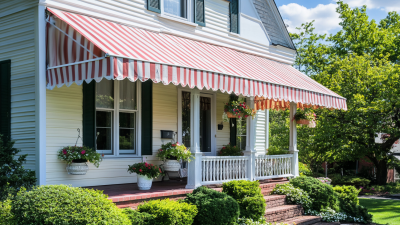
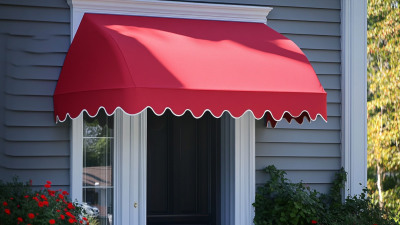
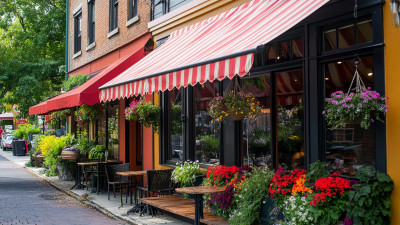
Fabric awnings provide a soft, elegant look and can be found in a variety of colors and patterns, allowing homeowners to customize the appearance to complement their exterior.
Aluminum awnings, on the other hand, are more durable and often require less maintenance, making them an excellent choice for long-lasting shade.
Polycarbonate awnings provide excellent protection from UV rays and adverse weather while maintaining a sleek, modern aesthetic.
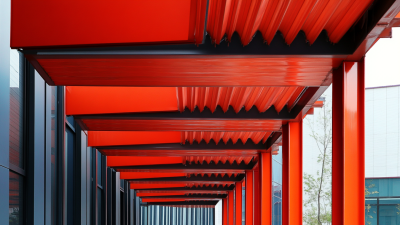
In addition to materials, styles and designs play a significant role in selecting the right door awning. Popular styles include traditional, contemporary, and minimalist designs, each influencing the overall look of your home. Traditional awnings often feature decorative scrolls or intricate patterns, while contemporary styles lean towards clean lines and simple shapes for a more streamlined appearance.
Additionally, options like retractable awnings offer functionality, allowing homeowners to adjust the amount of shade as desired. When selecting an awning, consider the architectural style of your home to ensure a cohesive and attractive look that enhances your property's visual appeal.
Factors to Consider When Choosing a Door Awning
When selecting the best door awning for your home, there are several key factors to consider that can significantly enhance your property’s curb appeal. First and foremost, the style and design of the awning should harmonize with your home's architecture. According to a report by the American Society of Landscape Architects, nearly 82% of homeowners agree that exterior upgrades, like awnings, enhance the overall aesthetic of their home. This highlights the importance of choosing an awning that complements both the entryway and the façade of your house.
Another critical factor to consider is the material and durability of the awning. Materials such as fabric, aluminum, or vinyl each have distinct benefits and drawbacks. For instance, fabric awnings can add a pop of color and pattern, but they may require more maintenance as they are prone to fading and weather wear. A study conducted by the Home Improvement Research Institute found that high-quality, durable materials can extend the lifespan of an awning significantly—up to 15 years or more in some cases—compared to cheaper alternatives that might need replacing within a few years.
Lastly, it's essential to evaluate the functional aspects, such as ease of installation and maintenance requirements. A well-installed awning not only protects your door from the elements but also acts as an energy-saving feature by reducing heat exposure and UV damage to the interior. Research indicates that proper shading from awnings can lower indoor temperatures by up to 15°F, leading to lower energy costs. Therefore, understanding your options and their implications can help you make an informed decision that combines aesthetics with practicality.
Installation and Maintenance Tips for Door Awnings
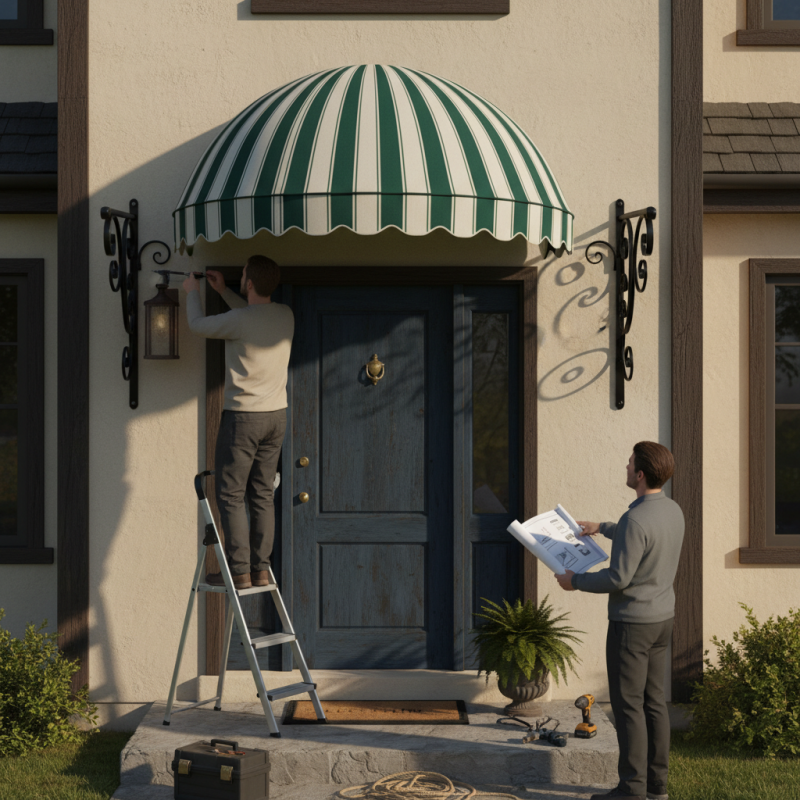
When it comes to enhancing the curb appeal of your home with a door awning, installation and maintenance are key factors to consider. To begin, ensure that you have the right tools and materials to support a secure installation. Choose a location that provides adequate coverage while aligning with the architectural style of your home. Typically, the awning should be installed above the door, protruding sufficiently to shield it from weather elements. Using proper supports and brackets is essential to ensure stability; these should be anchored into a solid surface, such as a wooden frame or masonry. Always consult the assembly instructions specific to your awning model for the best results.
Once your door awning is installed, regular maintenance will help preserve its appearance and functionality. Begin by cleaning the awning periodically to remove dirt, dust, and debris that can accumulate over time. Depending on the material, you may use a soft brush and mild soap solution, avoiding harsh chemicals that could damage the surface. Additionally, check for any signs of wear or damage, such as loose fixtures or fraying fabric. Taking the time to inspect and maintain your awning can prolong its life while ensuring it continues to enhance your home's entrance. Regular upkeep not only improves aesthetics but also ensures that your door awning serves its practical purpose effectively.
Enhancing Curb Appeal: Color and Design Coordination
When choosing a door awning, color and design coordination play crucial roles in enhancing your home’s curb appeal. The awning should harmonize with the existing architectural elements of your home. For instance, if your house features a traditional design with muted colors, selecting a classic awning in a soft hue can accentuate its elegance. On the other hand, modern homes might benefit from bold, geometric patterns that reflect contemporary aesthetics, creating a striking contrast that enlivens the exterior.
Furthermore, considering the surrounding landscape and the overall color scheme of your neighborhood can help in making a well-informed choice. A carefully selected awning color can either blend seamlessly into the surroundings or stand out as a statement piece. For example, warm earth tones can complement lush greenery, while bright, vibrant colors can add a cheerful touch to a neutral backdrop. Ultimately, the goal is to create a visually appealing entryway that welcomes guests, while maintaining a cohesive connection with the home’s style and environment.
How Door Awning Colors Influence Curb Appeal