How to Choose Fire Resistant Polyurethane for Your Projects?
When embarking on projects requiring safety and durability, choosing the right materials is crucial. Fire Resistant Polyurethane (FRP) has gained attention for its ability to withstand high temperatures and flames. According to a report by the National Fire Protection Association, building materials contribute to nearly 70% of fire-related incidents. Thus, selecting the appropriate FRP can significantly enhance fire safety in various applications.
Not only does fire resistant polyurethane offer exceptional thermal stability, but it also maintains structural integrity when exposed to flames. Recent industry data indicates that FRP can withstand temperatures exceeding 300°F, making it ideal for both residential and commercial uses. Yet, selecting the right type involves understanding varying manufacturer specifications and treatment processes.
Quality and performance can vary widely among products. It’s essential to assess certifications, such as those from Underwriters Laboratories (UL) and Factory Mutual (FM). These organizations provide independent testing standards that reflect the reliability of fire resistant polyurethane. Failing to do adequate research may result in subpar choices that compromise safety. So, investing time in knowledge-gathering is not just wise, but necessary for effective project outcomes.
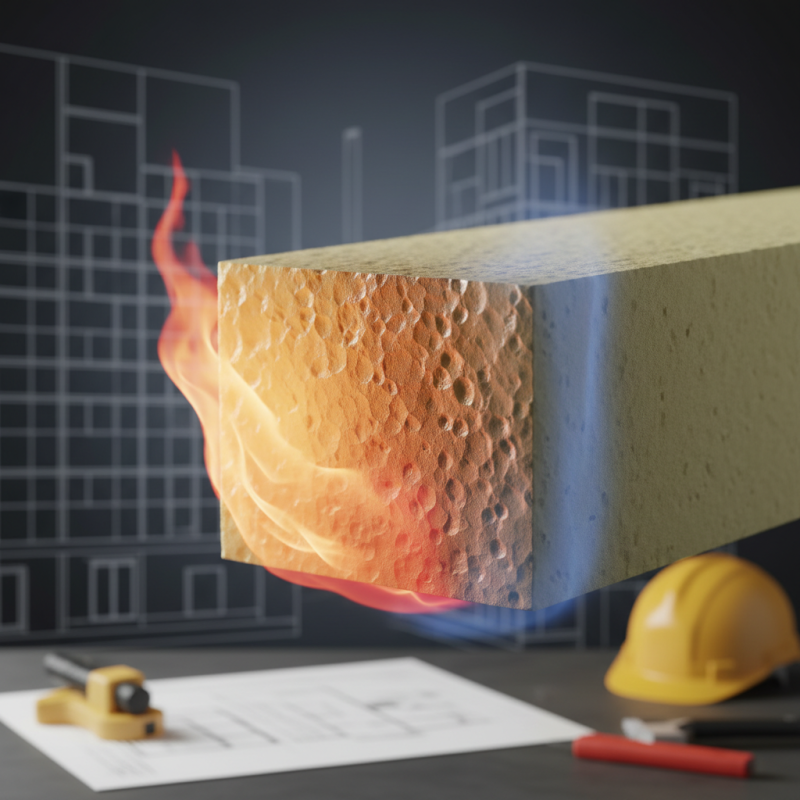
Understanding Fire Resistance in Polyurethane Materials
When selecting polyurethane materials, understanding fire resistance is crucial. Polyurethane foam has promising characteristics, but its flammability raises safety concerns. According to the National Fire Protection Association, over 90% of fire-related injuries occur due to smoke inhalation rather than flames. This underlines the importance of choosing the right fire-resistant materials.
Fire resistance in polyurethane can vary significantly. In general, untreated polyurethane foam offers limited fire protection. However, modified versions can meet fire safety standards, such as UL 94 or ASTM E84, which provide a benchmark for evaluating material safety. A study from the American Chemical Society found that adding fire retardants can reduce flammability by up to 30%, potentially saving lives.
Selecting fire-resistant polyurethane also involves considering its applications. For instance, in construction, materials must withstand extreme conditions while ensuring occupant safety. Ignoring these factors may lead to dire consequences. Ultimately, a thorough assessment of available data and performance reports is necessary for responsible decision-making in material selection.
Key Properties of Fire Resistant Polyurethane
When selecting fire resistant polyurethane, understanding its key properties is essential. This material can be crucial in applications where fire hazards are a concern. Fire resistant polyurethane is designed to resist combustion and limit the spread of flames. Its formulation includes additives that enhance its flame-retardant characteristics. Moreover, this material often maintains excellent mechanical properties, providing both durability and safety.
Another important property is its low smoke generation. In a fire, materials that produce less smoke can save lives. Fire resistant polyurethane also shows impressive thermal stability, meaning it remains effective even at high temperatures. This stability is vital in protecting structures and enhancing safety features in buildings. However, not all fire resistant polyurethanes are created equal. It’s important to scrutinize specifications to ensure the material meets project needs.
While choosing fire resistant polyurethane, consider the correct certification. Standards can vary by region and application. Some products might work well in one environment but not in another. Relying solely on the label can be misleading. Evaluating independent test results provides a clearer picture. It’s a process that requires careful thought and due diligence. Users should be proactive in seeking reliable resources and expert guidance before making a final decision.
Fire Resistance Properties of Polyurethane Types
Factors to Consider When Selecting Fire Resistant Polyurethane
When selecting fire-resistant polyurethane, several critical factors must be considered. The material's fire rating is crucial. According to the National Fire Protection Association (NFPA), materials are typically categorized into classes, with Class A being the most resistant. Polyurethane products should meet or exceed these standards for optimal safety.
Another aspect to consider is thermal stability. Fire-resistant polyurethane should maintain its structural integrity under high temperatures. A study by the International Journal of Polymer Science found that polymers can lose strength when exposed to heat. This underscores the importance of selecting products with proven thermal performance.
Environmental factors also play a role. Variability in temperature and humidity can affect the performance of polyurethane. Additionally, certain formulations may release harmful fumes when burned. Materials with low emissions are preferable based on safety data from safety organizations.
Marketers often highlight the benefits of fire-resistant products, but some claims can be exaggerated. Thus, it's essential to verify certification from reliable sources. Always consult material safety data sheets (MSDS) for comprehensive information. Navigating these complexities can seem daunting, but understanding these elements will lead to better project outcomes.
Applications and Uses of Fire Resistant Polyurethane
Fire resistant polyurethane is gaining traction in various industries due to its unique properties. This material finds applications in construction, automotive, and even aerospace, where safety is paramount. In construction, fire resistant polyurethane foam is used for insulation in buildings. It helps prevent the spread of flames, adding an essential layer of safety. The material's lightweight yet robust nature makes it ideal for high-rise structures.
In the automotive sector, fire resistant polyurethane enhances vehicle safety. It is used in seats and interiors to reduce fire hazards. The effectiveness of this material may vary depending on the formulation and application method. In aerospace, the material’s resistance to high temperatures is critical. It contributes to the integrity of various components, safeguarding them against fire risks.
However, not all fire resistant polyurethane products perform equally well. Some may not meet industry standards, so careful selection is crucial. Test results and certifications should be verified. Even experienced professionals occasionally face challenges with this material, highlighting the need for ongoing learning and adaptation. Selecting the right product is not always straightforward, and choices can have significant consequences.
Best Practices for Installation and Maintenance of Fire Resistant Polyurethane
When working with fire-resistant polyurethane, installation requires precision and attention to detail. Start by ensuring the surface is clean and dry. Any dust or moisture can affect adhesion. Use appropriate safety gear to protect yourself from harmful fumes during application. Fire-resistant polyurethane should be sprayed or rolled on evenly to avoid thin spots that may compromise fire resistance.
Maintenance plays a crucial role in preserving the effectiveness of your fire-resistant polyurethane. Regular inspections help identify any wear or damage. Look for discoloration or cracks. These signs can indicate that the fire-resistant barrier is failing. Cleaning the surface without harsh chemicals is essential, as they can degrade the protective layer. Always consult the guidelines for specific care recommendations, as incorrect maintenance can lead to costly repairs.
Choosing the right application method can be challenging. Each project may require a different approach, based on the environment and conditions. Sometimes, you might realize that the chosen method isn’t yielding the best results. Be willing to adapt and experiment with different techniques. Fire-resistant polyurethane can be effective if installed correctly and maintained diligently. However, it demands your full attention.