How to Choose Windows and Doors in 2026?

Choosing Windows And Doors in 2026 requires more than comparing colors, prices, and online ratings. A well-designed product should respond to your climate, building style, daily habits, and long-term maintenance expectations. A south-facing room may need solar control glass, while a shaded hallway may benefit more from clear glazing. Small details matter. Frame depth, sealing quality, drainage paths, and installation accuracy can influence comfort more than attractive brochures suggest.

Performance information deserves careful attention. Look for independently verified thermal, air-leakage, water-resistance, acoustic, and security ratings. Ask whether those figures describe the whole unit or only the glass. That difference is important. Experienced installers can identify moisture risks around sills, thresholds, and older masonry openings. They should also explain ventilation, cleaning access, warranty limits, and expected service life in plain language. A reputable supplier will provide written specifications and realistic maintenance guidance, rather than promising effortless performance.

No product is perfect. Triple glazing may improve insulation, but it can add weight, cost, and fitting demands. Large sliding doors can create beautiful views, yet their tracks need regular cleaning. Recycled materials may reduce environmental impact, although their manufacturing and transport details still deserve questions. The best decision balances evidence with practical experience. Before choosing, compare complete quotations, inspect samples in daylight, and request references from similar projects. A careful choice may feel slower now, but it can prevent drafts, condensation, and expensive replacement work later. There is room for doubt. Good decisions leave room for it.
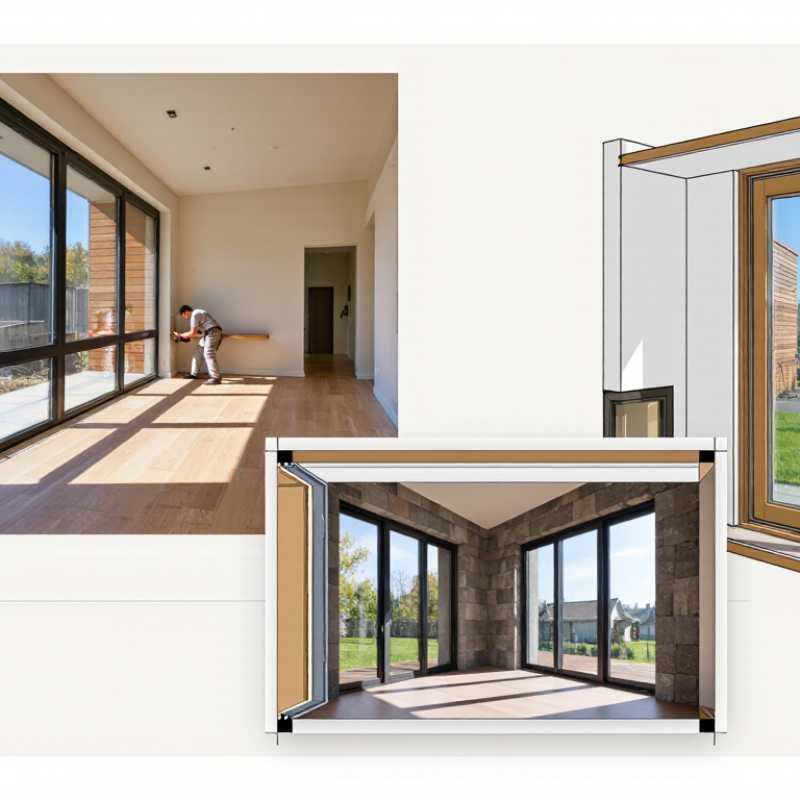
How to Choose Windows and Doors in 2026?

Define Your Home’s Window and Door Requirements

How to Choose Windows and Doors in 2026?

Before comparing styles, define how your home actually works. Walk through each room at different times of day. Note afternoon glare, cold floor areas, outside noise, and difficult-to-open windows. A south-facing bedroom may need solar control, while a shaded bathroom needs privacy and ventilation. Measure rough openings carefully, but ask a qualified installer to verify them.

Safety comes before appearance. Bedrooms may require emergency escape windows, depending on local building rules. Entry doors should support secure locking, weather resistance, and clear visibility. Families with children might prefer laminated glass or restrictors in selected locations. Check wind, rain, and temperature conditions for your region. A coastal home has different requirements from a dry inland property.

Energy performance also deserves specific targets. Look for published U-factor, solar heat gain, air leakage, and visible transmittance data. These figures are more useful than vague claims about “premium” quality. Consider frame material, glazing layers, seals, and installation quality together. A highly rated window can perform poorly when fitted badly. I learned this after noticing a small draft near an apparently new frame. It was not the glass.

Maintenance should fit your real habits. Will you clean upper panes safely? Can you repaint or replace seals later? Think honestly. Large sliding doors offer light, but they may need more track cleaning and stronger hardware. Ask for written warranties, installation details, and local code compliance before signing. Prices can change, and my first estimate was too optimistic.
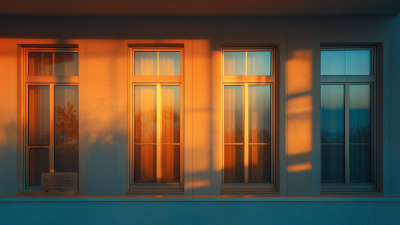
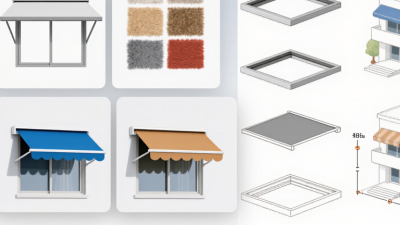
Compare Materials, Styles, and Energy Performance

How to Choose Windows and Doors in 2026?

Material affects comfort, maintenance, and service life. Vinyl frames resist moisture and usually cost less, but dark colors may expand in strong sun. Fiberglass stays stable through temperature changes and suits demanding climates. Wood offers warmth and repairability, yet it needs regular sealing. Aluminum looks clean and slim, though it can transfer heat without a thermal break. During a recent renovation, I found that excellent glass could not fix a poorly installed frame.

Style should match both the room and the weather. Casement windows often create a tighter seal because the sash presses against the frame. Sliding windows save space, but their tracks need frequent cleaning. Awning windows can ventilate during light rain. For doors, insulated cores improve comfort, while glass panels increase daylight and may reduce privacy. Ask for tested air leakage, water resistance, and structural performance ratings. These figures are more useful than attractive showroom claims.

Tips: Compare U-factor and solar heat gain coefficient before choosing glass. Lower U-factor usually means better insulation. In hot regions, moderate solar gain can reduce cooling demand. In cold regions, useful sunlight may support passive warmth. Check low-emissivity coatings, warm-edge spacers, and certified installation details. Measure the opening twice. I still prefer a second measurement, because small errors become expensive drafts. Review warranties carefully, and confirm who handles adjustment after installation. A beautiful door that drags across the threshold is not a successful purchase.

Evaluate Glass, Frames, Security, and Smart Features

How to Choose Windows and Doors in 2026?

Glass affects comfort, energy use, and daily visibility. The U.S. Department of Energy estimates that windows cause 25–30% of residential heating and cooling energy use. Choose low-emissivity double or triple glazing for demanding climates. In warm regions, prioritize solar heat gain control. A lower U-factor helps, but it is not the whole answer. I once focused on insulation and ignored afternoon glare. That was a mistake.

Frames deserve equal attention. Thermally broken metal frames reduce conductive heat transfer, while reinforced composite or timber frames can improve insulation. Check certified U-factor, solar heat gain coefficient, air leakage, and visible transmittance ratings. The National Fenestration Rating Council provides a consistent comparison system. Ask for installation details, too. Even excellent glass performs poorly with gaps, uneven shims, or weak flashing.

Security should be practical, not theatrical. Select multi-point locks, laminated glass, reinforced strike plates, and hinges protected from exterior access. Test the handle yourself. It should feel firm, not decorative. Smart locks and sensors can improve awareness, but they add batteries, software, and privacy decisions. The National Institute of Standards and Technology recommends strong authentication, updates, and network protection for connected devices. A 2024 industry survey by Parks Associates found that smart-home adoption continues expanding, yet setup complexity remains a barrier for many households. That warning matters. Choose features you can maintain, not merely demonstrate.

Measure Openings and Check Installation Conditions

How to Choose Windows and Doors in 2026?

Measuring the opening is the first serious installation decision. Do not measure only the visible glass. Measure width and height at the top, middle, and sill. Record the smallest number. Check diagonals too; unequal diagonals reveal a frame that is not square. A tape measure is not enough. I once trusted one center measurement and missed a 12-millimeter difference near the sill. That error created expensive shimming work.

ENERGY STAR reports that windows can account for 25–30% of residential heating and cooling energy use. Correct sizing supports tighter seals and better comfort. However, the opening must also be ready. Inspect the sill for rot, moisture, cracks, and poor drainage. Check whether the wall is plumb and whether the existing trim can be removed safely. Installation guidance from the Fenestration and Glazing Industry Alliance stresses proper flashing, fastening, and perimeter sealing. A perfect window cannot correct a damaged substrate. This part is often underestimated.

Tips: Take photos before removal. Mark every measurement clearly. Ask the installer to confirm the required rough-opening clearance. Check the product’s U-factor and solar heat gain coefficient through the National Fenestration Rating Council directory. Leave enough room for shims, but not excessive space. Weather matters too; wet surfaces can weaken sealant. My own practice is to remeasure on installation day, because openings can change after demolition. That extra check feels repetitive, but skipping it is worse.

How to Choose Windows and Doors in 2026? — Measure Openings and Check Installation Conditions

Example field-survey record in millimetres. Measure the opening width at the top, middle and bottom, then measure the height at the left, centre and right. The smallest width and height should be used when checking product fit. Also verify that the opening is level, plumb, square and free from moisture or structural damage. Final installation clearances must follow the selected product’s technical instructions and local building requirements.

Set a Budget and Choose Qualified Professionals

How to Choose Windows and Doors in 2026?

Set a realistic budget before comparing styles, glass packages, or frame materials. The U.S. Department of Energy reports that windows can cause 25% to 30% of residential heating and cooling energy use. Better units may cost more initially, but poor installation can erase much of their benefit. Request itemized quotes for products, labor, disposal, permits, and possible wall repairs. Keep a 10% to 15% reserve for hidden damage. Old buildings often surprise homeowners.

Choose qualified professionals, not only attractive estimates. Ask for proof of licensing, insurance, recent references, and written warranty terms. Verify performance ratings through the National Fenestration Rating Council’s certified database. Its labels show U-factor and solar heat gain coefficient, which help match products to your climate. A professional should explain these numbers in plain language. If the explanation feels rushed, pause.

Tips: Compare at least three detailed quotes. Check every opening size twice. Ask who supervises installation. Confirm flashing and water-control methods. Photograph existing damage before work begins. The U.S. Department of Energy notes that installation quality strongly affects window performance. I once saw a low-cost replacement fail because the sill was not prepared properly. The product was acceptable. The workmanship was not. A cheaper quote can become an expensive lesson.

Contact us

Let's Get Started!

Competitive Pricing and Exceptional Service!