Why You Need Outdoor Awnings: Benefits, Types, and Installation Tips
When considering the enhancement of outdoor living spaces, one often overlooked yet impactful element is the installation of outdoor awnings. According to John Smith, a renowned expert in the outdoor awnings industry, "Outdoor awnings not only provide shade but also elevate the aesthetic appeal of any home." This statement underscores the dual benefits that outdoor awnings offer—functionality paired with style.
Outdoor awnings serve as an effective solution for homeowners seeking to extend their living space beyond the confines of their indoor environment. They provide protection from harsh weather conditions, such as intense sunlight and unexpected rain, making outdoor areas more usable and enjoyable throughout the year. Whether it’s for entertaining guests, enjoying family meals, or simply relaxing with a book, outdoor awnings create a comfortable atmosphere that complements any outdoor setting.
In addition to their practical advantages, outdoor awnings come in various types and styles, allowing homeowners to choose options that best fit their specific needs and aesthetic preferences. From retractable designs to permanent structures, the right outdoor awning can significantly transform a backyard, patio, or balcony. With the right installation tips, homeowners can ensure that their outdoor awnings not only serve their purpose but also enhance the overall look of their property.
Benefits of Outdoor Awnings for Homeowners
Outdoor awnings are a valuable addition for homeowners looking to enhance their living spaces. One of the primary benefits is the increased protection they offer against harsh weather conditions, such as sun, rain, and snow. Awnings provide shade during hot summer months, creating a more comfortable environment for outdoor gatherings or simply enjoying time on the patio. Moreover, they can help reduce indoor temperatures, potentially lowering cooling costs in warmer climates.
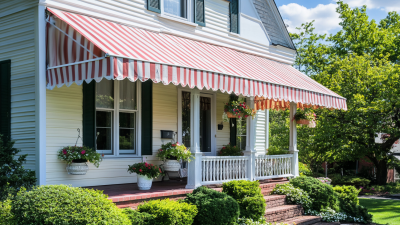
When considering the installation of outdoor awnings, it's essential to explore various types. Retractable awnings offer flexibility, allowing homeowners to extend or retract them based on weather conditions or personal preference. For those looking for a permanent solution, fixed awnings provide stable coverage and can be customized to fit the architecture of the home.
For optimal installation, ensure that the awning is mounted securely to withstand wind and weather exposure. It is advisable to choose high-quality materials that are durable and resistant to fading. Additionally, always check local building codes and consider hiring a professional for installation to ensure safety and effectiveness. Proper care and maintenance, such as regular cleaning and checking for wear and tear, will extend the life of your awning, maximizing its benefits.
Why You Need Outdoor Awnings: Benefits, Types, and Installation Tips - Benefits of Outdoor Awnings for Homeowners
| Benefit |
Description |
Type of Awning |
Installation Tip |
| UV Protection |
Provides shade and protects furniture from harmful UV rays. |
Retractable Awnings |
Ensure a strong mounting surface for durability. |
| Energy Efficiency |
Reduces cooling costs by blocking direct sunlight. |
Fixed Awnings |
Consult a professional for optimal placement. |
| Increased Living Space |
Creates a comfortable outdoor area for dining or relaxing. |
Freestanding Awnings |
Consider local weather conditions during setup. |
| Aesthetic Appeal |
Enhances the overall look of your home. |
Custom Fabric Awnings |
Match colors with your home exterior for a cohesive look. |
| Protection from Rain |
Provides shelter during light rain and protects outdoor furniture. |
Waterproof Awnings |
Install with a slight slope to aid in water runoff. |
Types of Outdoor Awnings: Retractable, Stationary, and More
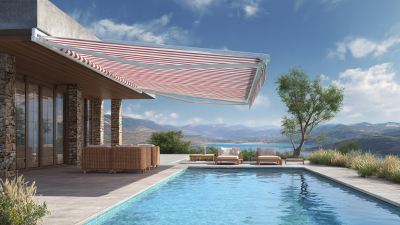
When considering outdoor awnings, it’s essential to understand the various types available, as they each cater to different needs and preferences. Retractable awnings are among the most popular options, providing flexibility for homeowners. These awnings can be extended or retracted using a manual or motorized mechanism, allowing users to control shade and sunlight access throughout the day. This type is particularly beneficial for patios and decks, as it can offer protection from the sun when needed and can be retracted during inclement weather.
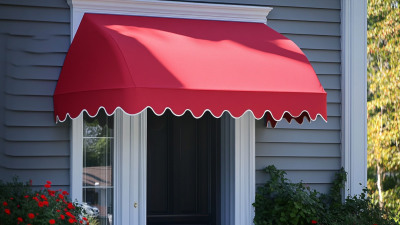
In contrast, stationary awnings offer a more permanent solution for outdoor spaces. These awnings are fixed in place and typically designed to withstand various weather conditions, making them exceptionally durable. Stationary awnings are ideal for creating a comfortable outdoor environment, as they provide consistent shading for windows, doors, and patios while enhancing the aesthetics of a home. Additionally, there are other variations, including dome and gazebo awnings, which can serve distinct purposes, such as protecting outdoor seating areas or enhancing garden spaces. Each type of awning offers unique advantages, making it crucial to consider the specific needs of your outdoor area when selecting the right one.
Benefits of Different Types of Outdoor Awnings
Choosing the Right Material for Your Outdoor Awnings
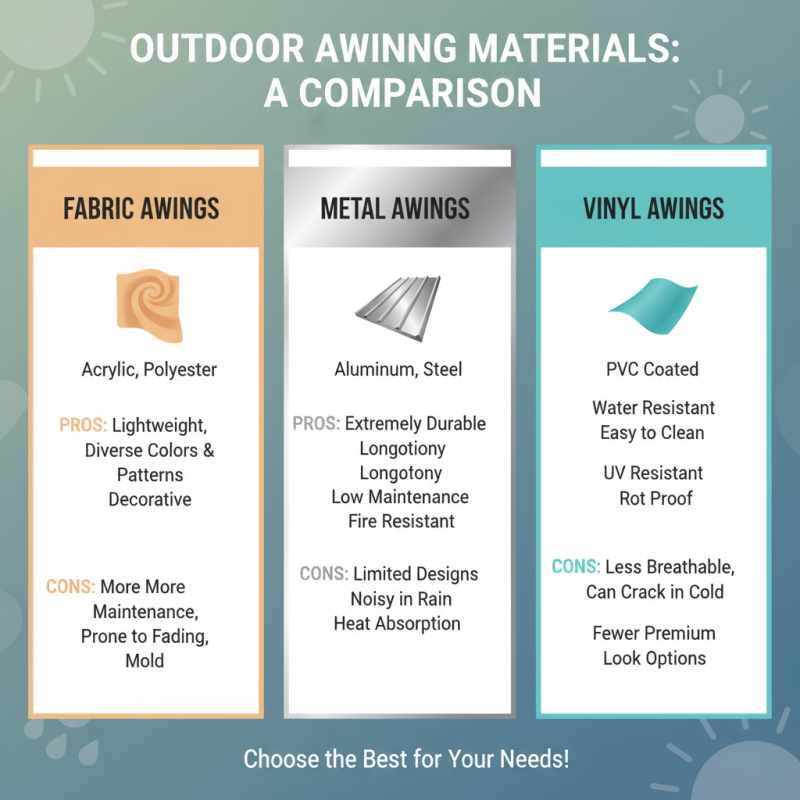
When it comes to choosing the right material for outdoor awnings, several factors must be considered to ensure durability, aesthetics, and functionality. Common materials include fabric, metal, and vinyl. Fabric awnings are lightweight and can be made from a variety of options, such as acrylic and polyester, providing a wide range of colors and patterns. They are excellent for adding a decorative touch but may require more maintenance to keep them looking fresh and free from mold or fading caused by UV exposure.
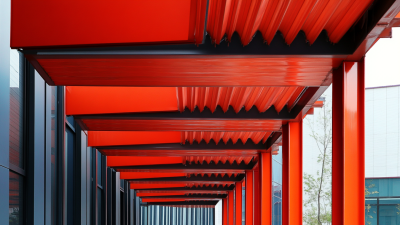
On the other hand, metal awnings, often made from aluminum or steel, are renowned for their strength and low maintenance requirements. They can endure various weather conditions, making them an ideal choice for regions with harsh climates. Though they may come in limited designs, their longevity and reliability can outweigh the aesthetic limitations for many homeowners. Vinyl awnings offer durability and resistance to moisture and UV rays, combining the benefits of lightweight and easy-to-clean properties. This makes them suitable for outdoor environments where exposure to the elements is a concern.
Selecting the right material also involves considering insulation properties, ease of installation, and budget constraints. Each material caters to different needs and preferences, so evaluating these factors will guide you towards the best choice for your outdoor space. By understanding the advantages and limitations of each option, you can make an informed decision that enhances both the functionality and visual appeal of your property.
Step-by-Step Guide to Installing Outdoor Awnings
Installing outdoor awnings can significantly enhance your living space while providing numerous practical benefits. According to a report by the American Institute of Architects, well-designed awnings can reduce energy costs by up to 25% in homes, making them an eco-friendly investment. The installation process involves several steps to ensure a perfect fit and optimal performance. First, it's essential to measure the area where the awning will be installed, taking into account any obstructions. Proper measurements ensure the awning provides adequate coverage from sun and rain while maintaining aesthetics.
Once you have your measurements, the next step is to choose the right type of awning for your needs, whether it's retractable or fixed. Research indicates that retractable awnings are popular for their versatility, allowing homeowners to adjust their exposure to sunlight as desired. After selecting the awning type, you can prepare the installation area by ensuring it's clean and free from debris. Following the manufacturer's instructions, attach the brackets securely to your wall or structure, ensuring they can withstand wind and weather conditions. Finally, hang the awning and make any necessary adjustments to ensure it operates smoothly. With the right approach, installing outdoor awnings can bring both comfort and style to your outdoor space.
Maintenance Tips for Longevity of Your Awnings
Proper maintenance of outdoor awnings is essential to ensure their longevity and functionality. According to the Professional Awning Manufacturers Association, regular maintenance can extend the life of awnings by up to 10 years. To begin with, it is crucial to keep your awnings clean and free from debris. Depending on the material, gently brushing off dust and using a mild soap solution for a deeper clean will help prevent mold and mildew buildup. Ensuring that your awnings are dry before retracting them will also minimize the risk of water damage.
Another tip for maintaining awnings is to regularly inspect the hardware and fabric for any signs of wear or damage. Quick repairs can prevent larger issues down the line. Additionally, during the off-season, make sure to retract your awnings to protect them from harsh weather conditions, which can lead to fading and structural damage. The American Society of Landscape Architects recommends applying a protective coating to fabrics to enhance water and UV resistance, further prolonging their lifespan. By following these simple maintenance tips, you can enjoy the benefits of your outdoor awnings for many years to come.