Contact Us
STATEN ISLAND FIBERAMA

Choosing the right Firestopping Sealant supplier can influence a building’s safety, inspection results, and long-term maintenance costs. This guide introduces ten established suppliers serving construction markets worldwide. It considers product performance, technical support, manufacturing experience, documentation, and regional availability.
Firestopping Sealant must maintain compartmentation around pipes, cables, joints, and other service penetrations. A reliable supplier should provide tested systems, clear installation instructions, compatible products, and traceable quality controls. Technical evidence matters more than polished marketing. Product data sheets, fire-test reports, environmental information, and installer guidance can reveal important differences. Some suppliers support complex projects with engineering assistance, while others focus on standard solutions for everyday commercial buildings.
The ranking is not flawless. Supplier strengths can change with ownership, regional stock, project scale, or updated testing requirements. Local approval may also differ between countries and building types. Buyers should verify current certifications and confirm that the selected sealant matches the complete tested assembly. A tube on a shelf is not the whole system. The surrounding wall, floor, backing material, penetration type, and installation depth all matter. This overview uses practical industry considerations to compare global suppliers fairly, while recognizing that project-specific review remains essential. In the end, safer decisions come from combining documented performance with experienced judgment. Boilerplate advice is not enough.
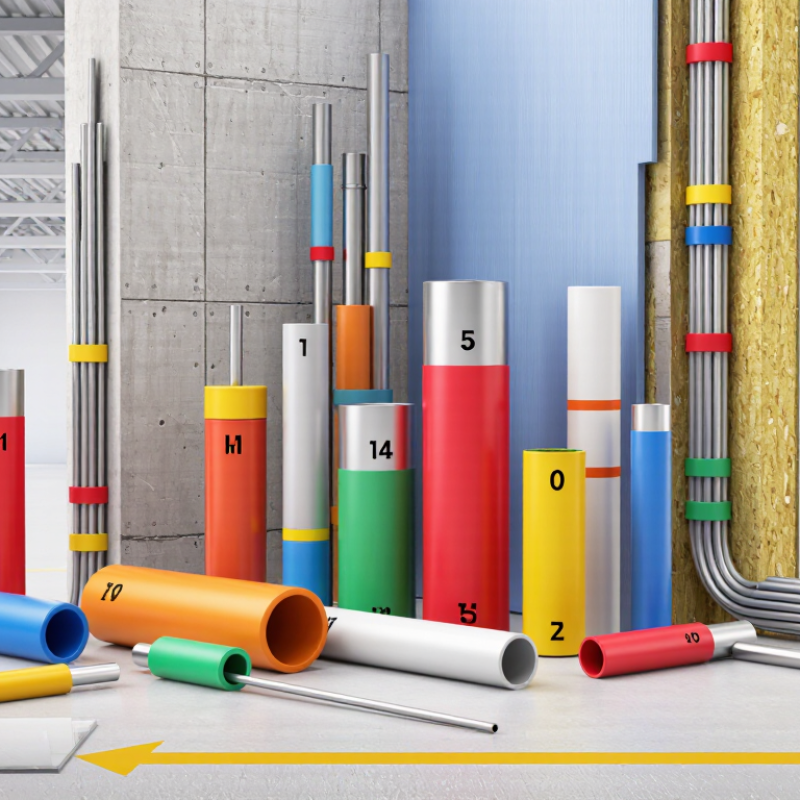
Firestopping sealants are engineered materials that close gaps around pipes, cables, ducts, and construction joints. They support passive fire protection by slowing flames, smoke, and hot gases from crossing compartment walls and floors. A small unsealed opening can undermine a rated assembly. The detail matters.
NFPA’s Fire Loss in the United States During 2023 estimated 1,388,500 fires and 3,670 civilian fire deaths. These figures show why fire compartmentation cannot depend on appearance alone. A compliant sealant system must match the tested wall or floor assembly, penetration type, joint width, and required fire-resistance period. It should also tolerate movement, moisture, and temperature changes. A thick, clean bead is not automatically a safe one. Installation records, product certificates, and third-party test reports help suppliers and contractors demonstrate reliability worldwide.
Tips: Check the tested system before installation. Confirm substrate compatibility and movement ratings. Photograph concealed work before closing walls. Review the inspection plan, because rushed details remain a common weakness. Supplier selection should consider technical support, documentation quality, regional standards, and batch traceability. A low purchase price may become expensive after failed inspection or remedial work. Even experienced teams should challenge assumptions; real buildings rarely match simple drawings perfectly.
Firestopping sealants are tested construction products used to seal joints, gaps, penetrations and openings in fire-resistance-rated walls, floors and assemblies. Their role is to restrict the passage of flame, hot gases and smoke while maintaining the required fire-resistance performance of the building compartment.
| Global Supplier Profile | Primary Sealant Chemistry | Typical Firestopping Products | Typical Fire-Rating Range | Common Test or Classification References | Typical Movement Capability | Suitable Substrates and Applications | Service Temperature Range | Primary Safety Function |
|---|---|---|---|---|---|---|---|---|
| Supplier Profile 01 | Acetoxy or neutral silicone | Fire-rated perimeter seals, construction joints and curtain-wall interfaces | Up to 4 hours | ASTM E814 / UL 1479; ASTM E1966 / UL 2079; EN 1366-3 | Typically up to ±25% to ±50%, depending on tested system | Concrete, masonry, metal framing, glazing interfaces and façade joints | Approximately −40°C to 150°C | Maintains a flexible smoke- and fire-resistant seal |
| Supplier Profile 02 | Water-based acrylic | Penetration seals, head-of-wall joints and linear joint systems | Up to 4 hours | ASTM E814 / UL 1479; ASTM E1966 / UL 2079; EN 1366-3 | Commonly ±12.5% to ±25% | Concrete, gypsum board, masonry and mineral substrates | Approximately −20°C to 80°C | Blocks fire, smoke and hot-gas migration in static or limited-movement joints |
| Supplier Profile 03 | Intumescent acrylic | Combustible pipe penetrations, cable bundles and mixed-service openings | Up to 4 hours | ASTM E814 / UL 1479; EN 1366-3; EN 13501-2 | Usually limited movement; system-dependent | Plastic pipes, insulated metal pipes, electrical and data penetrations | Approximately −20°C to 90°C | Expands when heated to close voids created by combustible materials |
| Supplier Profile 04 | Graphite-based intumescent | High-expansion pipe collars, wraps and penetration sealants | Up to 4 hours | ASTM E814 / UL 1479; EN 1366-3 | Generally low movement unless tested in a movement-rated assembly | Plastic pipes, multilayer pipes, cable penetrations and ducts | Approximately −20°C to 90°C | Provides controlled expansion and seals combustible service penetrations |
| Supplier Profile 05 | Hybrid polymer | Interior and exterior fire-rated movement joints and façade interfaces | Up to 3 hours | ASTM E1966 / UL 2079; ASTM E814 / UL 1479; EN 1366-3 | Typically ±25% to ±50% | Concrete, masonry, metal, curtain-wall systems and floor-to-wall joints | Approximately −40°C to 90°C | Combines elastic joint movement accommodation with fire and smoke resistance |
| Supplier Profile 06 | Fire-rated polyurethane | Flexible perimeter joints, façade gaps and selected penetration seals | Up to 3 hours | ASTM E814 / UL 1479; ASTM E1966 / UL 2079 | Often ±25% to ±50%, subject to the tested design | Concrete, masonry, metal frames and building-envelope interfaces | Approximately −30°C to 90°C | Seals against flame, smoke and air movement while accommodating joint movement |
| Supplier Profile 07 | Silicone elastomer | High-movement control joints, seismic joints and exterior façade seals | Up to 4 hours | ASTM E1966 / UL 2079; ASTM E814 / UL 1479; EN 1366-3 | Typically ±50%; higher values require specific tested systems | Concrete, precast panels, masonry, curtain walls and metal assemblies | Approximately −50°C to 150°C | Preserves fire compartmentation through thermal and structural movement |
| Supplier Profile 08 | Cementitious or mineral-based sealant | Rigid penetration seals, cable openings and service shafts | Up to 4 hours | ASTM E814 / UL 1479; EN 1366-3; EN 13501-2 | Low movement; not normally intended for dynamic joints | Concrete, masonry, mineral wool backing and rated shaft-wall systems | Approximately −20°C to 80°C | Creates a non-combustible barrier against fire and smoke passage |
| Supplier Profile 09 | Foam-compatible firestop sealant | Small annular gaps, electrical boxes and irregular service openings | Up to 2 hours | ASTM E814 / UL 1479; EN 1366-3 | Typically limited to ±12.5% or the tested joint design | Gypsum board, concrete, masonry, electrical conduits and cable penetrations | Approximately −20°C to 80°C | Seals narrow gaps and supports smoke-control continuity around services |
| Supplier Profile 10 | Low-VOC fire-rated sealant | Healthcare, education, residential and commercial interior applications | Up to 3 hours | ASTM E814 / UL 1479; ASTM E1966 / UL 2079; EN 1366-3 | Commonly ±12.5% to ±25% | Concrete, masonry, gypsum board, metal framing and service penetrations | Approximately −20°C to 80°C | Provides fire, smoke and acoustic sealing with reduced indoor emissions |
Technical note: Fire-resistance ratings, movement capability, substrate compatibility and temperature limits are dependent on the complete tested assembly, installation method, joint geometry and local code requirements. Product selection should always be verified against the applicable tested system and project specifications.