Top 10 Storage Racking Suppliers for Global Buyers

Choosing the right Storage Racking supplier can shape warehouse safety, capacity, labor efficiency, and future expansion. For global buyers, the decision is rarely about price alone. It involves load requirements, seismic conditions, corrosion risks, installation support, spare parts, lead times, and local service capability.

Warehouse design expert John J. Bartholdi III offers a useful reminder: “A warehouse is not a place to store things. It is a place to perform activities.” His observation explains why rack selection deserves closer attention. A strong supplier should help products move smoothly from receiving to storage, picking, replenishment, and dispatch. It should also provide clear engineering documents, tested components, inspection guidance, and practical training for operators.

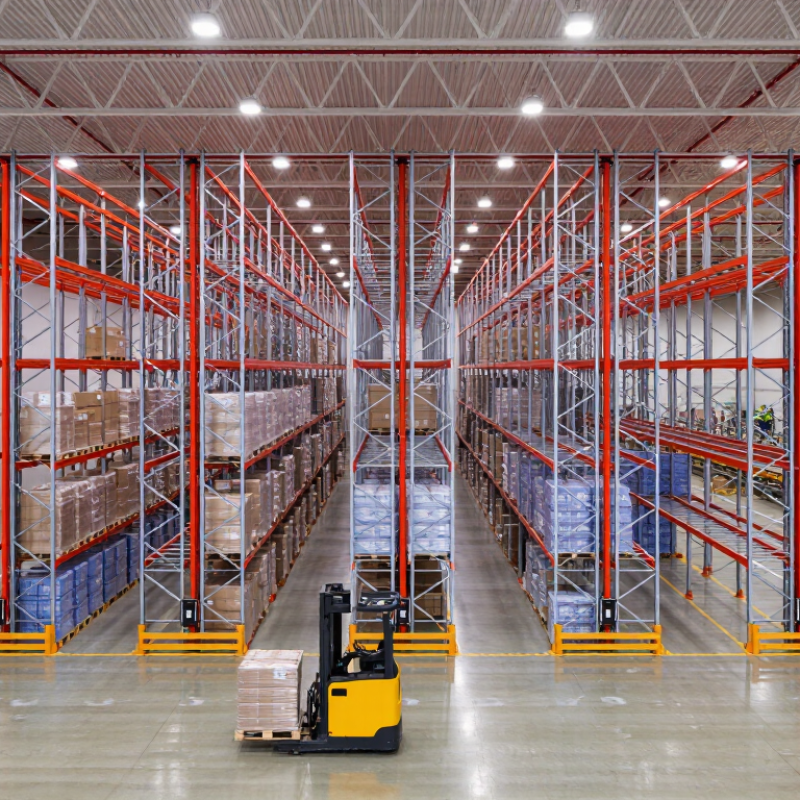
This guide reviews ten Storage Racking suppliers serving international markets. The comparison considers product range, customization, manufacturing experience, quality systems, project support, and geographic reach. It also examines details buyers can see on the warehouse floor, such as beam connections, upright protection, pallet access, labeling, and aisle clearance.

No ranking is perfect. Buyer priorities differ. A cold-storage operator may value corrosion resistance, while an e-commerce warehouse may prioritize picking speed. Local building codes and installation practices can also change the final choice. That uncertainty matters.

Use this list as a research starting point, not a substitute for engineering review. Request drawings, load tables, references, warranties, and after-sales terms before signing. Small omissions can become expensive later. The best supplier is not always the largest one. It is the partner whose system fits the building, products, workforce, and growth plan.
Top 10 Storage Racking Suppliers for Global Buyers

How to Evaluate Storage Racking Suppliers for Global Procurement

Global buyers should evaluate storage racking suppliers beyond price, capacity, and catalogue images. MHI’s 2024 Annual Industry Report surveyed more than 2,000 supply chain professionals. It found that 55% planned to increase technology investment. This signals a practical shift toward traceability, automation readiness, and measurable warehouse performance.

Request load calculations for every beam, upright, and connection. Ask whether testing follows recognized standards, such as EN 15512 or RMI specifications. Review steel grades, weld inspection records, coating thickness, and tolerance reports. A serious supplier should provide drawings that show aisle widths, floor loads, seismic conditions, and sprinkler clearances. Vague answers are a warning.

Check factory capacity before signing a global contract. Confirm monthly output, quality checkpoints, packaging methods, and replacement-part availability. The World Bank’s Logistics Performance Index 2023 highlights reliability and shipment timeliness as core logistics capabilities. Therefore, assess lead-time data, not promises. Ask for recent delivery records and a sample packing list. One damaged upright can delay an entire installation.

Cost comparisons can mislead. Include freight, duties, installation support, inspections, and future repairs. An independent audit may reveal small inconsistencies. That is useful. No scorecard is perfect, and supplier documents can become outdated. Buyers should repeat technical reviews when warehouse layouts change. A dependable partnership is built through evidence, site communication, and controlled follow-up.

Key Criteria for Comparing Racking Quality, Safety, and Customization

Top 10 Storage Racking Suppliers for Global Buyers

Comparing storage racking suppliers requires more than checking steel prices. Examine the steel grade, load rating, weld quality, and surface coating. Ask for test records, technical drawings, and inspection procedures. A reliable supplier explains how each rating was calculated. Photos alone are weak evidence. Look closely at beam connections, upright thickness, and pallet support details. Small differences can affect stability under daily forklift movement.

Safety should match the warehouse, not a standard catalog. Confirm anchoring methods, column guards, aisle clearances, and protection against impact. Suppliers should provide installation guidance, maintenance schedules, and replacement-part support. Request references from facilities with similar loads and operating conditions. A cold-storage warehouse needs different coatings and materials than a dry distribution center. Local engineering requirements also deserve careful review.

Customization reveals a supplier’s real technical ability. Compare options for pallet dimensions, ceiling height, seismic conditions, automation interfaces, and future expansion. Ask whether design changes receive documented approval. A cheaper quote may exclude bracing, delivery, or installation. That detail can distort comparisons. No evaluation is perfect. Site measurements may be incomplete, and supplier data may need independent verification. Strong buyers leave room for correction before placing an order.

Top 10 Storage Racking Suppliers for Global Buyers - Key Criteria for Comparing Racking Quality, Safety, and Customization
Rank Supplier Profile Primary Market Coverage Main Racking Systems Typical Beam Load Range Common Design Standards Safety and Engineering Capability Customization Level Quality-Control Indicators Export Documentation Typical Production Lead Time Overall Score
1 Supplier Profile 01 Europe, Middle East, North Africa Selective pallet Drive-in Cantilever Mezzanine 1,000–5,000 kg per beam level EN 15512; EN 15620; EN 15629; FEM design guidance High
Structural calculations, seismic design options, impact protection planning
High
Bay dimensions, upright profiles, deck types, finishes
Welding inspection, coating checks, dimensional inspection, traceable batch records Load notices, assembly drawings, packing list, commercial invoice, certificates on request 6–10 weeks 9.2/10
2 Supplier Profile 02 North America, Latin America Selective pallet Push-back Carton flow Wire decking 900–4,500 kg per beam level ANSI MH16.1; RMI guidance; local building codes High
Seismic calculations, rack anchoring details, operator-safety accessories
High
Custom frames, beam lengths, pallet supports, guard systems
Material certificates, weld checks, powder-coating verification, load testing where specified Engineering package, installation guide, labels, customs documentation 7–12 weeks 9.0/10
3 Supplier Profile 03 East Asia, Southeast Asia, Oceania Selective pallet Double-deep Drive-in Longspan shelving 800–4,000 kg per beam level EN 15512; FEM 10.2.02; ISO-based structural procedures High
Finite-element review, forklift clearance checks, anchoring recommendations
High
Cold-formed profiles, deck options, corrosion-resistant finishes
Incoming steel inspection, roll-forming control, weld inspection, final dimensional checks Technical drawings, product specifications, packing records, origin documents 5–9 weeks 8.8/10
4 Supplier Profile 04 Gulf Cooperation Council, South Asia, Africa Selective pallet Heavy-duty shelving Mezzanine Cantilever 750–3,500 kg per beam level EN 15512; EN 15629; local warehouse and fire-code requirements High
Layout engineering, floor-load review, guardrail and stair integration
Medium–High
Standard modules with project-specific dimensions and accessories
Steel-grade verification, coating-thickness checks, bolt-torque procedures, site inspection options Shop drawings, assembly instructions, labels, inspection checklists, shipping documents 6–11 weeks 8.6/10
5 Supplier Profile 05 Western Europe, Scandinavia, United Kingdom Pallet flow Carton flow Mobile racking Automated storage 600–3,000 kg per beam level EN 15512; EN 15620; EN 15635; machinery safety requirements where applicable High
Traffic-flow design, inspection planning, automated-system interfaces
High
Warehouse-specific layouts, conveyor interfaces, controls integration
Documented inspection plans, supplier audits, dimensional checks, functional testing for moving systems Risk assessment, user manuals, inspection schedules, CE-related technical files where applicable 8–14 weeks 8.5/10
6 Supplier Profile 06 Central Europe, Eastern Europe, Central Asia Selective pallet Mobile shelving Archive shelving Multi-tier 500–2,800 kg per beam level EN 15512; EN 15629; EN 15635; relevant national standards High
Floor flatness review, anchoring design, guard and access planning
Medium–High
Good adaptation of standard systems to building constraints
Material certificates, coating tests, assembly audits, periodic inspection procedures Technical data sheets, installation manuals, load signage, export documentation 6–10 weeks 8.3/10
7 Supplier Profile 07 China, Southeast Asia, Africa Selective pallet Light-duty shelving Longspan Mezzanine 400–2,500 kg per beam level EN 15512; FEM guidance; project-specific local requirements Medium–High
Basic structural calculations, layout drawings, accessory selection
High
Competitive customization of sizes, decks, colors, and accessories
Factory inspection, steel-thickness checks, weld sampling, loading and packaging inspection CAD drawings, load tables, packing lists, invoices, certificates when ordered 4–8 weeks 8.1/10
8 Supplier Profile 08 Australia, New Zealand, Pacific Islands Selective pallet Cantilever Shelving Vehicle storage 500–3,000 kg per beam level AS 4084; AS/NZS warehouse safety requirements; project engineering standards High
Seismic and wind considerations, anchoring, workplace-safety planning
Medium–High
Strong adaptation to local building conditions and access constraints
Engineering sign-off, steel certification, installation checks, periodic rack inspection plans Structural drawings, load plaques, installation guides, inspection records 7–13 weeks 8.0/10
9 Supplier Profile 09 Latin America, Caribbean Selective pallet Drive-in Push-back Shelving 600–3,200 kg per beam level ANSI MH16.1 or EN-based designs; local seismic and building codes Medium–High
Layout planning, floor anchoring, forklift-impact protection
Medium
Standard systems with selected dimensions and accessories
Factory quality checks, coating inspection, installation supervision, load-label verification Assembly drawings, load data, commercial documents, installation and maintenance instructions 6–12 weeks 7.8/10
10 Supplier Profile 10 Eastern Europe, Balkans, Middle East Light-duty shelving Longspan Archive storage Small-parts bins 200–1,500 kg per beam level EN 15629; EN 15635; relevant national product standards Medium
Standard layout engineering, stability checks, anchoring guidance
Medium
Modular customization with limited heavy-duty engineering
Dimensional checks, powder-coating inspection, packaging controls, assembly sampling Product catalogues, installation instructions, load labels, packing and shipping documents 4–8 weeks 7.6/10
Comparison basis: the profiles use common international storage-rack specifications and procurement criteria. Actual capacity, compliance, lead time, and documentation should be verified through project-specific calculations, signed drawings, material certificates, inspection records, and applicable local building codes before purchase.

Profiles of the Top 10 Storage Racking Suppliers Worldwide

The leading ten storage racking suppliers serve different warehouse realities. Supplier One focuses on selective pallet racking for high-turnover distribution centers. Its engineers usually balance beam capacity, aisle width, and forklift movement. Supplier Two specializes in drive-in systems, helping cold-storage operators use limited floor space efficiently. However, access is less flexible. That trade-off deserves attention.

Supplier Three designs automated storage systems with conveyors, sensors, and warehouse software.
Supplier Four produces mobile racking for archives and compact facilities.
Supplier Five supplies cantilever racks for timber, pipes, and long materials.
Supplier Six develops multi-tier platforms that add usable levels without expanding the building.
Supplier Seven concentrates on light-duty shelving for workshops and small warehouses.
Supplier Eight offers galvanized systems for humid environments, where surface protection matters.
Supplier Nine provides adjustable boltless shelving for fast installation and frequent layout changes.
Supplier Ten supports customized projects, including unusual loads, seismic considerations, and local installation requirements.

In real purchasing work, a supplier’s catalog is only the starting point. I would inspect load tables, steel thickness, coating details, and testing records before comparing prices. Ask for drawings, installation procedures, spare-part policies, and maintenance guidance. Short answers can be revealing. A supplier that explains limits clearly often feels more dependable than one promising everything. No supplier is perfect. Some offer strong engineering but slower delivery, while others deliver quickly with fewer customization options. Buyers should verify local compliance, installer qualifications, and after-sales response before placing a large order.

Global Service, Certifications, Pricing, and Delivery Considerations

Top 10 Storage Racking Suppliers for Global Buyers

Global buyers should assess more than factory photos and attractive quotations. Reliable suppliers explain steel grades, load calculations, surface treatment, and warehouse conditions clearly. Ask for ISO 9001 records, product test reports, and relevant racking standards for the destination market. Certifications should match the actual product, not merely appear in a company brochure.

Service quality becomes visible after the purchase order. Strong suppliers provide layout drawings, installation guidance, replacement parts, and responsive technical support. Confirm whether support is handled locally or remotely. A time-zone difference can delay an urgent safety decision. Request references from projects with similar loads, seismic conditions, and aisle designs. Real project evidence is more useful than polished promises.

Pricing requires careful comparison. Include engineering fees, packaging, inland transport, ocean freight, insurance, duties, and installation. Delivery estimates should show production time, inspection time, and port risks. In practice, the lowest quote may exclude essential bracing or protective finishes. Cheap is not cheap. A written inspection plan can prevent costly surprises, although it cannot remove every risk. Buyers should also check payment terms and Incoterms before signing. One overlooked detail, such as unsuitable beam capacity, can disrupt an entire warehouse schedule. Some suppliers communicate confidently but document poorly. That is a warning worth considering.

How to Select the Right Supplier for Your Warehouse Project

Top 10 Storage Racking Suppliers for Global Buyers

How to Select the Right Supplier for Your Warehouse Project

Selecting a storage racking supplier requires more than comparing product prices. Start with your actual load data, pallet dimensions, aisle width, ceiling height, and forklift type. A credible supplier should review these details before recommending a layout. Ask for structural calculations, material specifications, surface treatment details, and relevant safety certifications. Clear documentation shows professional control.

Experience matters on the warehouse floor. Request project references with similar loads, climates, and operating conditions. Examine photos closely. Are frames protected near busy aisles? Are beams clearly labeled? Can the supplier provide installation guidance, inspection procedures, and replacement parts? A reliable partner should also explain delivery schedules, packaging methods, warranty limits, and after-sales support in writing.

Do not choose by price alone. A low quotation may exclude anchors, protectors, transport, or installation labor. That mistake can disrupt your budget later. Compare the total project cost instead. Ask whether the design allows future expansion without moving every row. Check communication speed, drawing accuracy, and response quality during technical discussions. One practical lesson is uncomfortable: even experienced buyers sometimes approve a layout before testing forklift movement. A short on-site trial can reveal turning conflicts, blocked exits, or unsafe reach distances. Leave room for revision. Warehouses change faster than drawings.

Contact us

Let's Get Started!

Competitive Pricing and Exceptional Service!