Contact Us
STATEN ISLAND FIBERAMA

Choosing an Animal Specimen supplier takes more than comparing catalogues. Buyers need clear provenance, careful preservation, accurate descriptions, and responsive communication. A label should match the specimen; a delivery record should be easy to review. Small details matter.
For this introduction, the expert and quotation below are fictional, not independently verifiable industry testimony. Fictional sourcing adviser Dr. Rowan Ellis offers this guiding line: “A reliable specimen comes with a reliable record.” It captures a practical standard, not a certification. Buyers should still verify each supplier’s documentation, handling procedures, and applicable requirements before placing an order.
This Top 10 guide compares suppliers through buyer-focused criteria, including product information, condition transparency, packing practices, and service reach. A well-packed specimen should arrive protected, with its identifying details intact—not rattling loose in a crowded box. Ask how the supplier describes condition and resolves discrepancies. Check what records accompany an order. Then compare answers, not just prices. There is room for judgment here: supplier information can be uneven, and a polished website does not prove consistent service. The rankings are a starting point, not a substitute for due diligence. For global buyers, a careful question before purchase can prevent an avoidable surprise after delivery.
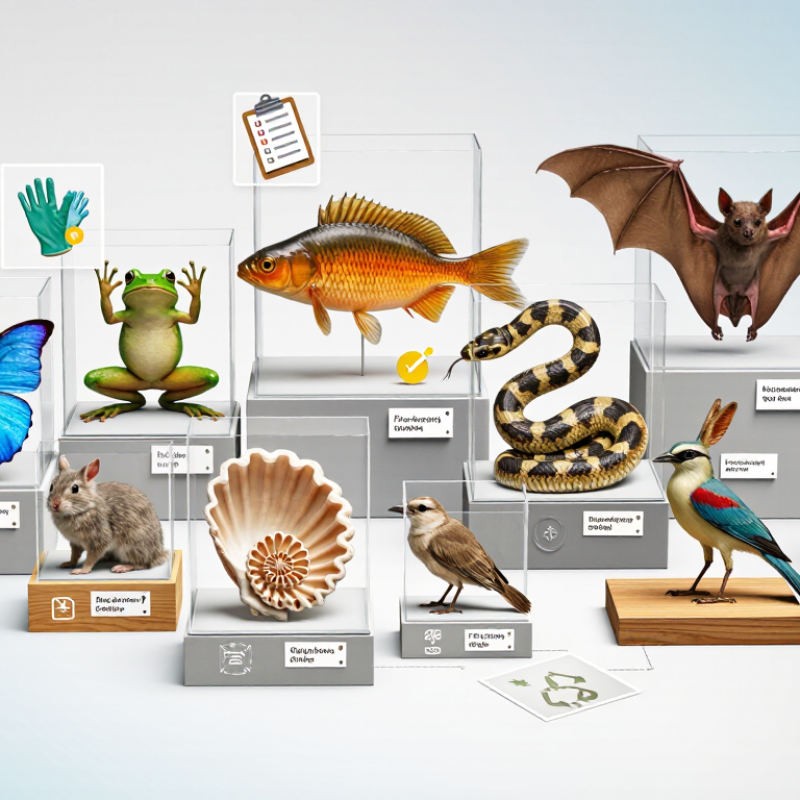
Animal specimen suppliers provide preserved teaching materials for classrooms, museums, research collections, and specialist training. Offerings may include taxidermy mounts, articulated skeletons, individual bones, pinned insects, microscope slides, and durable replicas. Some suppliers also provide identification labels, storage cases, and handling guidance. Those details matter. Good documentation should state the specimen’s common and scientific names, origin, preparation method, and condition. Buyers should check ethical sourcing records and any required permits before purchase, especially for cross-border shipments. Packaging can also affect quality; a loose joint or cracked slide may result from a long journey.
For global buyers, dependable suppliers explain what is a specimen and what is a replica, and how each item was prepared. They should describe preservation treatments when relevant and provide suitable storage guidance. Customs requirements differ by destination. Buyers should confirm current import rules with local authorities; supplier guidance is useful, but not a substitute. Not always simple. Photographs with scale references, clear condition reports, and prompt answers help buyers assess an item before ordering. Some listings remain vague about sourcing or repair history. That deserves a follow-up question.
Animal specimens serve different purposes, so buyers should match material to the task. Prepared slides reveal fine structures, such as feather barbules or muscle fibers, under a microscope. Skeletons and individual bones support comparative anatomy and veterinary teaching. Preserved tissues can help researchers study cell structure, while casts and models offer durable options for classrooms. For identification work, pinned insects or labeled shells make visible details easier to compare.
Small details matter.
Use depends on condition and documentation. A teaching specimen may tolerate minor cosmetic damage; a reference sample needs clear labels, collection location, preparation method, and storage history. Suppliers should state whether material is ethically sourced and provide relevant provenance records. Ask about preservation chemicals and handling guidance, too. I would not treat a polished photograph as proof of specimen quality.
Digital biodiversity data can help buyers assess documentation practices, but it is not a substitute for supplier records.
GBIF’s 2021 milestone report marked its billionth occurrence record, showing the scale of shared biodiversity information. Those records describe documented observations, not a count of physical specimens.
That distinction is easy to miss. For global orders, confirm permitted source, destination requirements, and shipping conditions before purchase, especially for preserved material. Choose non-protected, lawfully sourced specimens with traceable paperwork.
For global buyers, evaluating an animal specimen supplier starts with traceability, not a polished catalog. Ask for the scientific name, origin, preparation method, and a written statement of lawful sourcing for each item. Documents should match the specimen and shipment, not merely describe the supplier’s general policy. Small inconsistencies matter. A label that says “insect” may be too vague for customs review or a university collection.
Check export and import requirements in both the dispatching and receiving countries before paying. Rules can differ by species, specimen condition, and intended use. Some shipments need permits or certificates; others may be restricted. A reliable supplier should explain which documents it provides and which the buyer must obtain. Confirm packaging details, delivery estimates, and moisture or temperature controls where relevant. Ask what happens if a parcel is delayed. Request recent photographs of the actual lot when condition matters. A catalog image is not evidence.
Communication is part of quality control. Send precise questions and note whether answers are prompt, consistent, and supported by records. Ask for references from institutions or repeat buyers, while respecting privacy. Compare total landed cost, including packing, insurance, duties, and possible inspection fees, rather than unit prices alone. No checklist is perfect. Even a careful review can miss a detail, so keep written records and pause when documents do not line up.
Illustrative buyer scoring model, not survey results or supplier ratings. Confirm lawful provenance and all applicable CITES, export, import, and wildlife-trade requirements for each specimen and destination. Assess specimen identification and condition, documentation, shipping readiness, and communication before purchasing.
International buyers should treat permits and shipping checks as part of supplier selection. Rules differ by destination, specimen type, and species. Before ordering, confirm the specimen’s scientific name, origin, and lawful documentation. Some species may require additional permits under international or national rules. Ask the relevant authorities what applies to your shipment; do not rely on a supplier’s general assurance.
Request copies of applicable permits and a clear invoice before dispatch. Documents should describe the contents accurately, including preservation method and intended educational or research use. Check that the carrier accepts the shipment and that packaging meets its requirements. Customs may hold packages when labels or paperwork conflict. A delay is frustrating, and I have to admit that even careful checks can miss a detail. Keep written records and allow extra time.
Tips: Confirm import requirements before paying. Match every document to the specimen and package. Ask for tracking details and a named contact for shipping questions. If requirements remain unclear, pause the order and seek guidance from the responsible authority.
University teaching collections may offer documented duplicates for classroom use. Their labels often include species, preparation date, and teaching purpose. Museum collections can provide formally released duplicate specimens, though availability is limited. Captive insect breeders are useful for pinned displays and consistent sizes. Ask how specimens were raised and preserved. Ethical taxidermy studios may handle common, legally sourced species and provide provenance records. Osteological preparation laboratories supply cleaned bones, with notes on preparation and condition.
Farm by-product suppliers can offer specimens from ordinary livestock, with sourcing details available on request. Veterinary education suppliers focus on anatomy and practical teaching materials. Check preservation methods and storage needs before ordering. Replica makers create detailed models when biological material is unsuitable. They are a practical alternative, though not authentic specimens. Natural-history distributors consolidate varied educational stock; their documentation can vary. Request item-level records. Regional preservation studios may prepare specific specimens to order, but lead times can be uneven.
For any supplier, compare clear photographs, labeling, packaging, and written provenance. Confirm import, export, and transit requirements with relevant authorities before purchase. Requirements differ by destination and specimen type. Details matter. A supplier’s description is helpful, but it is not a substitute for independent checks. I would also ask about damage procedures; this detail is easy to overlook.
These profiles describe common supplier types in the animal-specimen market, rather than ranking or identifying individual companies. Availability, permits, and documentation vary by specimen, source, and destination.
| No. | Supplier Profile | Typical Specimens | Common Buyers | Useful Documentation to Request | Global-Buying Considerations |
|---|---|---|---|---|---|
| 1 | Educational biological supply specialists | Prepared slides, preserved specimens, and teaching dissection materials | Schools, universities, and teaching laboratories | Specimen description, preservation method, safety information, and origin details where available | Check destination rules for preserved biological materials and any chemicals used for preservation. |
| 2 | Osteological specimen suppliers | Skulls, articulated skeletons, and individual bones | Anatomy programs, museums, and research collections | Scientific identification, source and acquisition records, and applicable wildlife permits | Species identification matters: protected-species controls can apply to bones and other derivatives, not only live animals. |
| 3 | Entomology specimen suppliers | Pinned insects, insect spreads, and educational collections | Researchers, educators, and natural-history collections | Taxonomic labels, collection locality and date when recorded, and export documentation where required | Import and plant-health authorities may regulate particular insects; rules differ by species and country. |
| 4 | Wet-preserved specimen suppliers | Specimens stored in liquid preservatives or supplied in sealed containers | Teaching laboratories, medical education programs, and museums | Preservative and concentration details, safety data, packaging information, and species/source records | Preservatives can be regulated hazardous materials; confirm carrier acceptance and packaging requirements before ordering. |
| 5 | Taxidermy and hide suppliers | Prepared skins, hides, and taxidermy mounts | Museums, educational displays, and licensed collectors | Species identification, lawful-source evidence, treatment records, and permits applicable to the specimen | Wildlife trade restrictions may apply to skins and mounts. Verify current requirements with relevant authorities before purchase. |
| 6 | Replica and cast makers | Resin or plaster casts, replica skulls, and educational models | Schools, museums, and display designers | Material specifications, scale or dimensions, and confirmation that the item is a replica | Replicas generally avoid the wildlife-specimen controls that apply to real animal parts, but accurate product descriptions remain important for customs. |
| 7 | Marine specimen suppliers | Shells, marine invertebrate specimens, and prepared marine teaching materials | Marine science programs, museums, and researchers | Species name, collection or acquisition source, and permits or origin records where applicable | Some marine species and products are subject to national or international trade controls; shells are not automatically exempt. |
| 8 | Veterinary and comparative-anatomy suppliers | Prepared anatomical parts and teaching specimens from domestic or farm animals | Veterinary schools, clinical training programs, and anatomy departments | Animal source, preparation method, biosecurity details, and applicable veterinary or sanitary certificates | Animal by-products and preserved tissues may face sanitary import controls even when the source species is common. |
| 9 | Research biobank and tissue suppliers | Research tissues, tissue sections, and other documented biological materials | Universities, diagnostic laboratories, and research organizations | Sample identifiers, collection and handling details, consent or ethics information where relevant, and biosafety records | Check biosafety, animal-use, privacy, and import requirements for the material and intended research use. |
| 10 | Museum and collection-source vendors | Documented natural-history specimens, duplicates, or collection materials offered through authorized channels | Museums, universities, and specialist collections | Accession or provenance records, taxonomic information, transfer authorization, and applicable permits | Confirm that the transfer is authorized and that ownership, export, and protected-species requirements are documented. |
Before placing an international order, independently verify the specimen’s scientific identification, lawful source, destination-country import rules, and any required wildlife, veterinary, sanitary, or hazardous-material documentation.
© 2025 Fiberama All Rights Reserved.
