Top 10 Benefits of Led Ceiling Lamp for Home and Office?
The transition to Led Ceiling Lamps is reshaping how we illuminate our spaces. In recent years, studies have shown that adopting LED lighting can reduce energy consumption by up to 75%. This shift not only lowers electricity bills but also extends the lifespan of lights significantly. Choosing LED ceiling lamps is becoming a common practice for both homes and offices due to their efficiency.
Moreover, the demand for LED ceiling lamps is growing. According to a report by the U.S. Department of Energy, by 2027, LED lighting could represent 75% of the installed lighting market. Yet, many still overlook their benefits. They offer unique advantages, such as improved color accuracy and better focus on task-oriented areas in offices.
LED ceiling lamps also contribute to sustainable living. They emit less heat, reducing cooling costs. However, consumers must be aware of the varying quality in the market. Not all LED products are created equally. Some may fall short on brightness or have a shorter lifespan than expected. It’s essential to research and choose reliable brands to ensure the desired benefits.
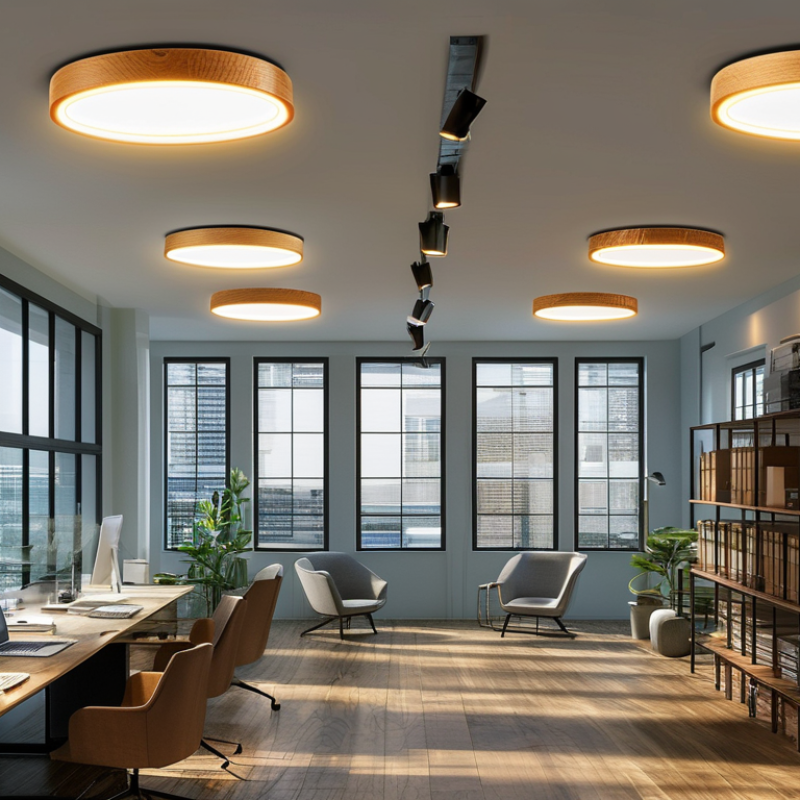
Advantages of Energy Efficiency in LED Ceiling Lamps
LED ceiling lamps have become increasingly popular in homes and offices due to their significant energy efficiency. These lamps consume less electricity compared to traditional lighting options. Studies show that LED lamps can use up to 75% less energy. This reduction not only lowers electricity bills but also decreases one’s carbon footprint. Such energy savings contribute to a more sustainable lifestyle.
Another advantage of LED ceiling lamps is their long lifespan. They can last up to 25,000 hours or more. This means fewer replacements and less waste. Besides, LED technology produces minimal heat. This is beneficial in reducing cooling costs during hot seasons. However, it is essential to consider that not all LED products are created equal. Some may not deliver the expected performance or longevity.
It's also worth noting that the initial investment in LED ceiling lamps can be higher. Many people hesitate due to upfront costs. Yet, they tend to offer savings in the long run. Finding reliable information or testing products before buying may help. Consumers must remain cautious and ensure they choose the right options for their needs.
Enhanced Longevity and Durability of LED Lighting
LED ceiling lamps have become increasingly popular for both home and office environments. Their enhanced longevity is a remarkable feature. Studies show that LED bulbs can last up to 25,000 hours, which is significantly longer than traditional incandescent bulbs that last about 1,000 hours. This extended lifespan translates to fewer replacements, leading to reduced waste and lower maintenance costs.
In terms of durability, LED lights are also superior. Unlike traditional bulbs, they are more resistant to shock and vibrations. Research indicates that LEDs can withstand harsh conditions without losing performance. This durability makes them a reliable choice for various settings, including high-traffic areas in homes and offices. Moreover, the lower heat output of LEDs contributes to their longevity, as overheating is a common reason for bulb failure.
While the benefits are clear, there may be challenges. Not all LED products perform equally; their quality can vary widely. Investing in high-quality options is essential for maximizing longevity and durability. Therefore, consumers should be cautious and seek reliable information when making purchases. The right choices truly make a difference in lighting solutions.
Top 10 Benefits of LED Ceiling Lamp for Home and Office
| Benefit | Description |
| Enhanced Longevity | LED ceiling lamps typically last up to 25,000 hours, reducing the need for frequent replacements. |
| Energy Efficiency | LEDs consume significantly less power than traditional incandescent or fluorescent bulbs, leading to lower energy bills. |
| Brightness Control | Many LED ceiling lamps offer adjustable brightness levels, allowing users to customize the lighting to their needs. |
| Eco-Friendly | LEDs do not contain harmful substances like mercury, making them a safer choice for the environment. |
| Instant Lighting | LEDs turn on instantly to full brightness without any warm-up time, unlike fluorescent lights. |
| Low Heat Emission | LED lamps emit very little heat compared to traditional bulbs, reducing cooling costs in warm climates. |
| Variety of Styles | LED ceiling lamps come in various designs and colors, offering options for different interior styles. |
| Long Warranties | Many LED ceiling lamps come with substantial warranties, indicating confidence in their durability. |
| Reduced Flickering | LEDs provide a more stable light output with less flickering, which can reduce eye strain. |
Variety of Styles and Designs for Modern Interiors
LED ceiling lamps are becoming increasingly popular in both home and office settings. Their variety of styles and designs caters to the modern aesthetic. According to the U.S. Department of Energy, LED lighting can last up to 25 times longer than traditional bulbs. This longevity offers not just convenience but also significant cost savings.
When choosing an LED ceiling lamp, it’s important to consider the design and functionality. Whether you prefer minimalist styles or more ornate fixtures, there’s an option to fit every interior. For example, sleek, flush-mounted designs can enhance the spaciousness of a room, making it feel larger. On the other hand, decorative pendant lights can serve as a focal point, adding character to a space.
**Tip:** Take into account the color temperature of your lights. Warmer tones create a cozy atmosphere, while cooler shades can promote focus and alertness. Finding the right balance is crucial.
Don’t forget about placement. The positioning of your ceiling lamp can dramatically impact the ambiance. Overhead lighting can be harsh if it’s not properly diffused. Aim for a softer illumination that complements your decor. Experimenting with different styles may lead to a refreshing change, but ensure it aligns with the overall theme of your interiors.
Improved Brightness and Illuminating Quality of LEDs
LED ceiling lamps offer superior brightness and exceptional light quality compared to traditional lighting. According to the U.S. Department of Energy, LED lighting can provide up to 80% more efficiency. This significant energy saving means that you can enjoy bright, clear illumination without straining your electricity bill. The light produced by LEDs is often whiter and more focused, enhancing visibility in both home and office settings.
Furthermore, LEDs have a longer lifespan, averaging around 25,000 hours versus 1,500 hours for incandescent bulbs. This longevity results in less frequent replacements, reducing waste. Brightness levels can be adjusted easily, catering to different tasks. For example, in a workspace, high-quality illumination promotes better concentration and productivity. Nevertheless, it is essential to select the right color temperature. Warmer tones can create a cozy atmosphere, while cooler shades are invigorating.
When considering LED lights, it is paramount to assess the dimming capability. Not all LED lamps are created equal; some may flicker when dimmed, disrupting the ambiance. Proper installation and compatibility with existing fixtures also matter. Checking if the fixtures can support LED technology can prevent disappointing outcomes. By weighing these factors, you can enjoy the full potential of your LED ceiling lamps.
Environmental Impact and Sustainability of LED Ceiling Lights
LED ceiling lights have a significantly lower environmental impact compared to traditional lighting options. They consume up to 80% less energy, which reduces greenhouse gas emissions. Their longevity also means fewer bulbs in landfills. Each LED has a lifespan of around 25,000 hours, leading to less waste over time.
Choosing LED lighting promotes sustainable living. When selecting these fixtures, consider energy efficiency ratings. Look for products that meet energy-saving standards. Also, think about your room layout; proper placement enhances both aesthetics and functionality.
Another point to ponder is light color. LED options provide a range of hues, from warm to cool. The right choice can influence mood and productivity. Experimenting with different brightness levels can lead to a more inviting atmosphere. Remember, every small change contributes to larger environmental benefits.
Top 10 Benefits of LED Ceiling Lamp for Home and Office