Who Are the Top Hotel Chair Manufacturers in China?
China has a broad hotel furniture industry, from specialist seating workshops to large manufacturers with export experience. Finding the right supplier takes more than comparing catalog prices. Hotel chairs must suit the room, withstand frequent use, and arrive in consistent condition across an order. A chair that looks refined in a showroom may feel uncomfortable after a long dinner service.
This guide introduces manufacturers often considered by buyers seeking hotel chairs in China. Rather than presenting a universal ranking, it looks at practical indicators: product range, material options, production capacity, quality-control procedures, customization, and communication. Buyers searching for “Chair Hotel” products can use these points to clarify their needs before requesting quotations. Ask for clear specifications, including frame material, foam density, fabric performance, dimensions, and packaging details. Request samples or recent project references when appropriate. Small details matter.
Supplier claims still deserve verification. A polished website cannot confirm how a chair performs after repeated use, and photographs rarely show construction quality. No shortlist is perfect. Buyers should compare like-for-like quotations and confirm lead times, inspection arrangements, and after-sales support in writing. This overview aims to help hospitality teams identify credible options and ask better questions. The final choice depends on the hotel’s design, budget, operating demands, and standards—not on a manufacturer’s name alone.
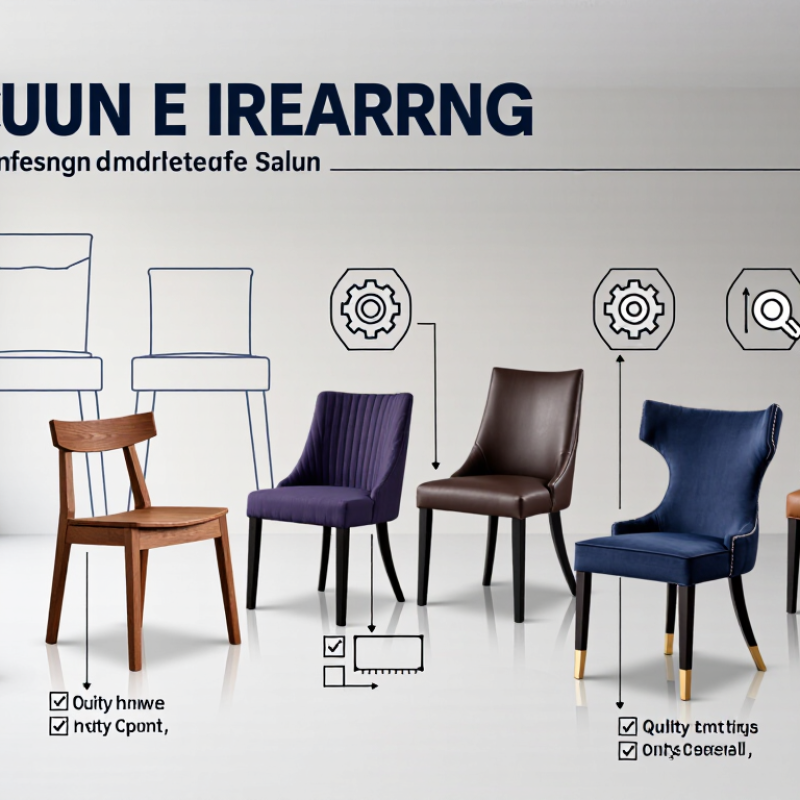
Define Hotel Chair Types by Material, Use Case, and Commercial Seating Specs
Hotel chairs should be specified by where guests use them, not by appearance alone. A guestroom reading chair needs a compact footprint, supportive arms, and upholstery that resists routine cleaning. Dining chairs face frequent spills and repeated movement, so wipeable fabric or sealed wood can be more practical than delicate finishes. Banquet chairs prioritize stackability and easy handling; lobby lounge chairs need stable frames and replaceable cushions. Small details matter.
Material names do not prove durability. Ask for fabric abrasion results, frame construction details, and test documentation for the complete chair. BIFMA’s X5.4 standard covers lounge seating, while X5.1 covers general-purpose office chairs; both provide structured methods for assessing performance, including stability and durability. ISO 7173 also specifies strength and durability test methods for chairs. Compare results against the chair’s intended use, rather than treating one test as a universal guarantee. For commercial specifications, record seat height, overall width, maximum tested load, finish, and cleaning method. Then check whether those details match the room plan and maintenance routine. A chair may look sturdy in a showroom and still feel wrong after a long dinner. That judgment deserves a real sample.
Compare Wooden-Chair Makers Against China’s GB/T 3324-2017 Standard
Who Are the Top Hotel Chair Manufacturers in China?
When comparing wooden-chair makers, start with evidence, not polished showroom photos. GB/T 3324-2017, the national standard for wooden furniture, offers a shared framework for reviewing product quality and test results. Ask suppliers for reports covering the exact chair model, materials, and finish you plan to order. A report for a similar chair may not tell you much.
Look closely at construction details. Are the joints tight? Does the chair wobble on a flat floor? Check the underside for rough edges, uneven coating, or exposed fasteners. These small details matter in hotel rooms, where chairs are moved and cleaned every day. Request a sample and compare it with the production specification. That simple step can reveal gaps that paperwork misses.
Still, GB/T 3324-2017 is not a complete measure of hotel performance. The standard helps structure quality checks, but buyers should also consider use conditions, maintenance, and their own durability tests. A chair may pass a test and still feel less stable after repeated handling. That deserves thought. Share your expected usage with each manufacturer, and ask how its inspection process checks consistency across batches. A careful answer is useful; a perfect-looking brochure is not enough.
Assess Upholstered Seating Using QB/T 1952.1-2012 Test Requirements
When comparing hotel chair manufacturers in China, treat QB/T 1952.1-2012 as a useful reference for upholstered seating, not a substitute for checking the exact product category. The standard addresses sofa requirements, including appearance, safety, and mechanical performance. Ask for a current report that names the tested model and records the methods and results. A report for a similar chair may not represent the chair you plan to order.
China National Furniture Association statistics reported RMB 655.7 billion in revenue for furniture manufacturers above designated size in 2023, down 4.4% year on year. That scale makes documented quality checks especially useful when comparing suppliers. Review evidence for seat and back durability, frame strength, and stability, alongside upholstery seams and cushion recovery. Small details matter. Request photos of the tested sample and check whether its fabric, foam, and frame match production specifications. Paperwork can look convincing. Yet a successful laboratory result cannot guarantee every chair in a large shipment will feel identical, so inspect pre-shipment samples and clarify how defects are handled.
Rank Suppliers by Capacity, Certifications, Export Records, and Lead Times
Who Are the Top Hotel Chair Manufacturers in China?
A useful ranking starts with verified production capacity, not impressive showroom displays. Ask how many chairs a factory can complete monthly, and whether that figure includes upholstery, finishing, and quality checks. Capacity can change with seasonal orders. Check recent production schedules and sample records before comparing suppliers. Small details matter.
Certifications should match the product and the buyer’s requirements. Request current documents, confirm their scope, and check whether they cover the actual manufacturing site. Export records offer another practical signal: ask for references from comparable hotel projects and evidence of repeat shipments. Lead times need equal scrutiny. Get separate estimates for samples, production, inspection, and shipping, then confirm what happens if materials arrive late. A neat spreadsheet helps, but it cannot guarantee smooth delivery. That part is easy to underestimate.
Tips: Request a dated production plan and a pre-shipment inspection checklist. Compare the same chair specification across suppliers, including fabric, frame material, and packaging. A factory tour or video call may reveal unfinished stock or crowded work areas, though one visit is only a snapshot. Rank suppliers by documented performance, and leave room for uncertainty.