Top 10 Metal Front Door Designs for Modern Homes?

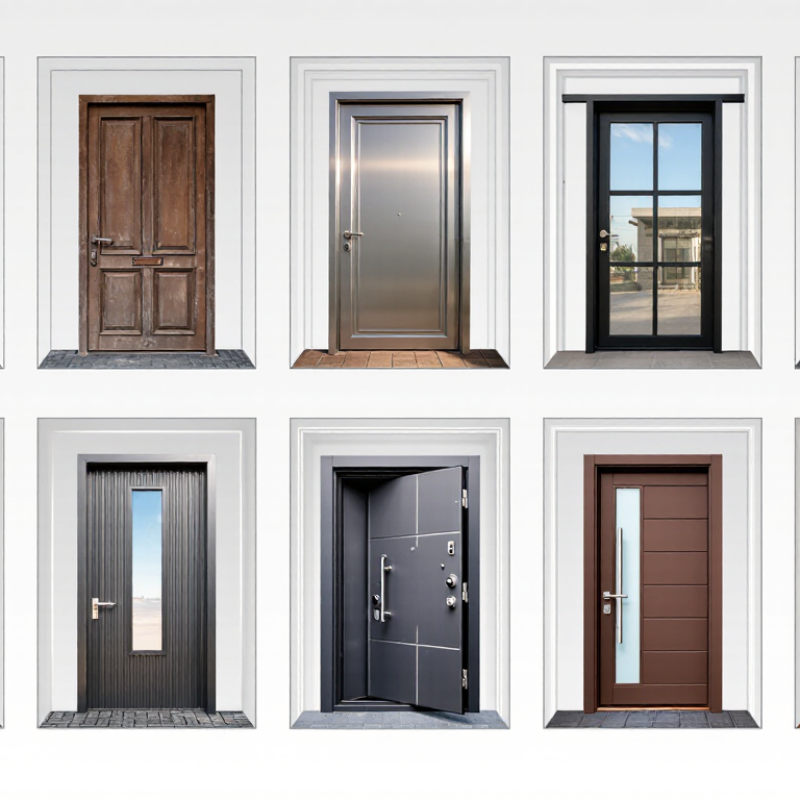
A Metal Front Door can change a home’s first impression within seconds. It frames the entryway with sharp lines, weight, texture, and controlled contrast. Matte black steel feels architectural. A weathered bronze finish feels warmer. Glass panels can soften the hardness.

The 2024 U.S. Houzz & Home Study shows that many homeowners continue investing in renovation projects, especially high-visibility areas. The 2024 Cost vs. Value Report by Remodeling magazine also recorded strong resale performance for steel entry-door replacement. Its reported return exceeded the installation cost in many markets. Results still vary by region, labor rates, and door quality. Numbers do not guarantee value.

Lori Greene, a respected door-hardware educator and former Allegion consultant, emphasizes a useful principle: “Security is a system, not a single product.” That idea matters here. A beautiful door cannot compensate for weak hinges, poor weather seals, or an unsuitable frame. Details matter.

This guide explores the Top 10 Metal Front Door Designs for Modern Homes. Each design considers appearance, security, insulation, maintenance, and practical installation. Expect pivot doors, narrow steel profiles, fluted surfaces, and glass combinations. Some choices look impressive but may demand more cleaning. Others appear simple, yet perform better in harsh weather.

Perfection is not the goal.

The right door should suit the home, climate, budget, and daily habits. A striking entrance can still become frustrating if it slams, rusts, or wastes energy. These designs offer inspiration, but careful measurement and professional specification remain essential.
Top 10 Metal Front Door Designs for Modern Homes?

Key Features of Modern Metal Front Door Design

Top 10 Metal Front Door Designs for Modern Homes

Key Features of Modern Metal Front Door Design

Modern metal front doors combine clean geometry with practical protection. Steel offers strong impact resistance, while aluminum reduces weight and corrosion concerns. The frame should include thermal breaks to limit heat transfer through the metal. This detail matters in homes with hot summers or cold winters. Look for insulated cores, weather seals, and adjustable hinges. Small gaps can create noticeable drafts.

Glass panels can soften a heavy metal appearance. Use laminated or insulated glass for better safety and energy performance. Narrow vertical windows suit tall entrances, while frosted glass improves privacy without blocking daylight. A flush surface creates a quiet, architectural look. Textured finishes can hide fingerprints and minor scratches. Dark colors look dramatic, but they may absorb more heat.

I have found that installation quality often matters more than decoration. A perfectly designed door can still leak if the sill is poorly aligned. Measure the opening carefully, including wall depth and floor level. Consider drainage around the threshold. It is easy to underestimate this detail. Heavy doors also need reinforced framing and correctly rated hardware. Maintenance remains simple: inspect seals, clean the surface gently, and repair chipped finishes early. Some designs look impressive online but feel excessive in a real hallway. The best choice should match the home’s climate, entry size, and daily use.

Ten Metal Front Door Styles for Contemporary Homes

Metal front doors suit contemporary homes because they combine clean geometry with lasting strength. The right design should match the building’s scale, climate, and daily use. Ten metal front door styles offer different visual and practical benefits.

A minimalist slab door creates a quiet, uninterrupted facade.

A narrow glass-inset door adds daylight without exposing the whole entryway.

A pivot door gives a dramatic, gallery-like opening, but it needs accurate floor alignment.

Double metal doors make wide entrances feel balanced and welcoming.

An arched door softens sharp exterior lines.

Grid-panel doors bring a structured, industrial character.

A door with a horizontal transom can brighten a dark hallway.

Embossed geometric panels add depth without relying on decorative hardware.

Weathered-finish steel provides a warm, aged appearance, although its surface needs careful sealing.

A metal-and-wood door introduces texture, but the materials may expand differently.

During design reviews, I check hinge capacity, threshold drainage, lock placement, and thermal insulation before choosing a finish. Small details matter. A beautiful door can feel cold if its handle is poorly positioned. I once underestimated afternoon glare through a narrow glass panel, and the entrance became uncomfortably bright. That mistake changed how I assess sunlight. Matte finishes hide fingerprints better, while dark coatings can reveal scratches. Coastal homes also require stronger corrosion protection. Local building requirements should guide fire ratings, accessibility, and installation. The best style is not always the boldest one; it should feel secure, operate smoothly, and remain convincing after years of weather.

Materials, Finishes, Glass, and Decorative Details

Top 10 Metal Front Door Designs for Modern Homes

Modern metal doors succeed through careful material choices, not excessive decoration. The ten strongest directions include matte black steel, brushed stainless steel, bronze-toned aluminum, weathered steel, and slim wrought iron. Each creates a different entrance experience.

A powder-coated steel slab offers clean geometry and strong visual weight. Brushed stainless steel reflects daylight softly and suits pale concrete walls. Bronze finishes add warmth, especially beside natural timber. Weathered steel can look striking, but its surface may stain adjacent paving during early oxidation. I would test a sample outdoors first. Measure twice.

Glass changes both appearance and privacy. Clear glass brightens a narrow hallway, while frosted glass softens street views. Reeded glass adds texture without feeling decorative or old-fashioned. Laminated safety glass is a practical choice because its layers help retain fragments after impact. Insulated glass can also reduce drafts around the entry area. Local building requirements still matter, so a qualified installer should confirm the specification.

Decorative details should support the door’s proportions. Narrow vertical glass strips make a tall entrance appear even higher. Horizontal grooves create a calmer, wider effect. A recessed pull handle gives the surface a quiet, architectural finish. Small pivot hinges can become a focal point, though they demand accurate installation. Even spacing matters. A slightly misaligned grille may look minor during fitting, then become obvious every morning. I prefer restrained patterns, durable finishes, and hardware that feels solid in the hand.

How to Choose a Metal Door for Your Home

Choosing among the top 10 metal front door designs starts with climate, not appearance.

A flush steel door suits minimalist homes, while glass panels or sidelights add daylight. However, exposed glass can reduce privacy and increase heat gain. The U.S. Department of Energy recommends comparing U-factor, solar heat gain coefficient, and air leakage ratings before purchase. Lower U-factor usually means better insulation.

Look for galvanized steel, a weather-resistant finish, and a reinforced core. Polyurethane cores generally provide stronger thermal performance than basic honeycomb fillings. In cold regions, a thermal break and adjustable threshold can reduce drafts near the floor. The 2024 Cost vs. Value Report recorded a 188.1% cost recoup for steel entry door replacement, based on its surveyed project costs and resale values. That figure is useful, but it is not a guarantee. Local labor, installation quality, and housing demand can change the result.

Test the frame, hinges, latch, and weatherstripping together. A heavy slab cannot correct a weak frame. NFRC labeling can help compare certified energy performance, yet many buyers overlook installation details. I would also check drainage around the entry. Small errors matter. In coastal areas, choose corrosion-resistant fasteners and inspect the lower edge twice yearly. Dark finishes look striking, but they may heat quickly in direct sun. A design should fit your home, climate, maintenance tolerance, and daily habits. Perfect choices are rare.

Installation, Security, Energy Efficiency, and Maintenance

Top 10 Metal Front Door Designs for Modern Homes

Modern metal doors can look dramatic, but installation determines their real performance. The ten strongest designs include flush steel panels, narrow glass inserts, ribbed surfaces, pivot doors, and warm metal finishes. Each style needs a frame that matches the wall structure. During renovation work, I have seen beautiful doors fail because installers ignored uneven thresholds. Measure twice. Check the opening, swing direction, drainage, and surrounding masonry before ordering.

Security depends on more than thick metal. A reinforced frame, multi-point locking system, protected hinges, and laminated glass can reduce common entry risks. The lock should engage smoothly without forcing the key. Poor alignment causes hidden wear. A professional installer should anchor the frame deeply and test it under pressure. Security hardware also needs regular inspection, especially near coastal areas where salt can accelerate corrosion.

Energy efficiency deserves equal attention. Choose a thermally broken frame, insulated core, and tight perimeter seals. A small daylight gap under the door can make a hallway noticeably colder. Weatherstripping should compress evenly, not fold or scrape. Maintenance is simple but easy to neglect: wipe surfaces with mild soap, dry exposed edges, lubricate moving parts sparingly, and inspect sealant twice yearly. Dark finishes may show dust quickly. That is not a design failure, but it can change your upkeep expectations. One practical compromise is choosing textured metal, which hides fingerprints better than a perfectly smooth surface.

Contact us

Let's Get Started!

Competitive Pricing and Exceptional Service!