Why Choose an Awning for Your Porch?

An Awning For Porch can turn an exposed entrance into a cooler, more usable outdoor room. It filters harsh sunlight, shelters guests from light rain, and gives furniture a better chance against fading. Picture a west-facing porch at 4 p.m.: the concrete is hot, the doorway is bright, and a well-positioned canopy creates immediate visual relief.

The U.S. Department of Energy’s Energy Saver guidance explains that exterior shading can significantly reduce solar heat gain through windows, especially on difficult east- and west-facing exposures. Although this guidance focuses on windows, the same solar-control principle supports careful porch-awning design. ASHRAE’s Handbook—Fundamentals also emphasizes climate, orientation, airflow, and heat transfer when evaluating building comfort. An awning should therefore match the porch, not merely cover it.

Industry analysis from Freedonia on awnings and shades points to replacement demand, outdoor comfort, and weather protection as continuing market drivers. Material choice matters. Solution-dyed acrylic can offer strong color retention, while powder-coated aluminum provides a durable frame with limited routine maintenance. Local installers still need to verify wall strength, drainage, wind exposure, and attachment details.

That part is often underestimated.

A deeper porch may need more projection than expected. A small awning may look elegant but provide disappointing shade. Fixed models can be reliable, while retractable systems offer flexibility but introduce moving parts and maintenance. No product solves every climate problem. Choosing well means balancing comfort, appearance, budget, and realistic weather conditions rather than trusting a sales claim alone.
Why Choose an Awning for Your Porch?

What Is a Porch Awning and How Does It Work?

Why Choose an Awning for Your Porch?

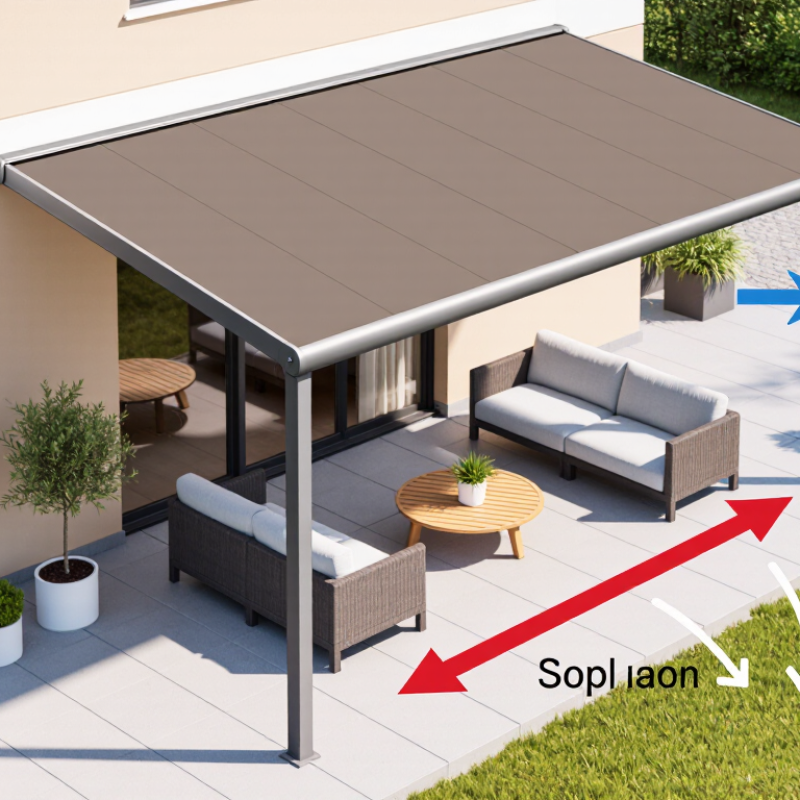
A porch awning is a covered structure fixed above an outdoor entrance or seating area. It usually has a metal or timber frame with a weather-resistant fabric or solid roof panel. The frame carries the load, while the angled cover sheds rain away from walls and doorways. Some awnings remain in place, while retractable models roll or fold back when shade is unnecessary.

The working principle is straightforward. Sunlight hits the cover instead of the porch floor, reducing heat near the entrance. Light rain can also be redirected beyond the steps, keeping shoes and furniture drier.

During a site check, the awning’s pitch, fixing points, and clearance should be measured carefully. A shallow angle may leave water standing. Poorly secured fittings can become unsafe in strong wind. Always follow the installation guidance and local structural requirements.

An awning can make a porch more comfortable for morning coffee, parcel delivery, or muddy footwear. It also protects door hardware and outdoor furniture from repeated exposure.

However, it is not a perfect solution. Fabric may fade, collect dirt, or need seasonal adjustment. A retractable design offers flexibility, but its moving parts require inspection. The first design is not always the best one. Shade, drainage, airflow, and the porch’s position should be considered together.


How Does an Awning Improve Porch Comfort?

Why Choose an Awning for Your Porch?

An awning can turn a glaring porch into a usable outdoor room. In practice, the first improvement is shade, not decoration. The U.S. Department of Energy reports that window awnings can reduce solar heat gain by up to 65% on south-facing windows and 77% on west-facing windows. These figures describe windows, not entire porches, so they should not be copied blindly. Still, they show why blocking low afternoon sun matters. A shaded floor feels less harsh under bare feet. Chairs also remain cooler to the touch. Small difference, big relief.

Porch comfort depends on more than air temperature. ASHRAE Standard 55 considers radiant temperature, air speed, humidity, clothing, and activity. An awning reduces direct radiant exposure while open sides preserve breezes. That combination can make a porch feel calmer during hot afternoons. A practical site check should track sunlight at 9 a.m., noon, and 4 p.m. A shallow awning may leave west-facing seating exposed. A deeper one may reduce indoor daylight. This is where many plans fail. Fabric color, pitch, rain drainage, and wind stability also need attention. The DOE notes that awning performance varies with orientation, window design, and local conditions. Comfort is therefore a measured target, not a promise. Even a well-designed awning cannot replace ventilation during still, humid weather.

Why Choose an Awning for Your Porch? – How Does an Awning Improve Porch Comfort?

Comfort Dimension How an Awning Helps Typical or Indicative Result Key Factors Affecting Performance
Direct Sunlight Creates shade over the porch seating area, floor, and nearby doors or windows. Can provide shade across most of the intended coverage area when the awning projection and angle match the sun position. Awning projection, orientation, season, time of day, porch layout, and local latitude.
Solar Heat Blocks sunlight before it reaches porch surfaces and reduces heat absorbed by walls, flooring, and furniture. Shaded surfaces can be substantially cooler than sun-exposed surfaces; the exact difference varies with material, wind, and sunlight intensity. Fabric color and openness, surface material, weather conditions, and ventilation.
Indoor Heat Gain When positioned over adjacent windows or glazed doors, an awning can reduce direct solar radiation entering the home. Window awnings are commonly reported to reduce solar heat gain by up to approximately 65% on south-facing windows and 77% on west-facing windows, depending on design and conditions. Window orientation, glazing type, awning depth, side coverage, sun angle, and window size.
UV Exposure Provides a barrier between people, furnishings, and direct ultraviolet radiation. Many outdoor awning fabrics block approximately 90% to 99% of UV radiation; the actual rating depends on the fabric construction and certification. Fabric weave, coating, color, product condition, installation angle, and exposed gaps.
Rain Protection Helps keep seating, entry areas, and porch flooring drier during light to moderate rain. Effective coverage depends on the awning pitch and projection; it does not guarantee protection during wind-driven rain or severe weather. Awning slope, projection, drainage, wind direction, rainfall intensity, and side exposure.
Glare Reduction Shields reflective porch surfaces and nearby windows from low-angle sunlight. Can noticeably improve visual comfort during morning or late-afternoon sun, especially on east- and west-facing porches. Sun direction, awning side panels, projection, surrounding buildings, and window position.
Outdoor Furniture Protection Reduces direct exposure to sunlight and precipitation, helping limit fading and moisture-related wear. Can extend the usable life of outdoor furnishings compared with continuous unshaded exposure, although furniture should still be covered or stored during severe weather. Furniture materials, fabric quality, humidity, rain exposure, ventilation, and maintenance.
Ventilation Control A retractable or adjustable awning allows users to choose between maximum shade and greater access to sunlight or airflow. Offers flexible comfort throughout the day and across changing weather conditions. Awning operating range, porch orientation, local wind conditions, and whether side screens are installed.
Usable Porch Time Combines shade, reduced glare, and light weather protection to make the porch more comfortable for sitting, dining, or working outdoors. Can increase the number of comfortable hours available, particularly during sunny or lightly rainy periods. Outdoor temperature, humidity, wind, seating placement, shade coverage, and personal comfort preferences.

Note: Results are indicative rather than guaranteed. Actual comfort improvements depend on local climate, porch orientation, awning size and pitch, fabric specifications, installation quality, and weather conditions.

Which Awning Materials and Designs Suit Different Porches?

Why Choose an Awning for Your Porch?

An awning can turn a bare porch into a cooler, more usable outdoor room. Material choice matters as much as appearance. Acrylic-coated fabric suits homeowners wanting filtered light and softer shadows. It dries quickly, yet it may fade after years of strong sun. Polyester is usually lighter and more affordable. However, cheaper fabric can sag or weaken in repeated rain. For a fixed porch, aluminum offers firm protection and little routine maintenance. It can feel less warm, though.

Polycarbonate panels work well above modern porches with simple rooflines. They admit daylight while reducing direct glare. Clear panels can still create heat beneath them. Tinted or opal finishes are often more comfortable. In coastal areas, corrosion-resistant fasteners deserve attention. Small hardware failures can become expensive repairs. I would not choose a material by color alone.

Retractable designs suit porches that need changing levels of sun and shade. They are useful for evening seating, but wind sensors and secure mounting are important. A fixed, sloped awning is better for dependable shelter near doors or windows. Curved designs soften traditional homes, while clean, straight edges suit contemporary façades. Measure wall strength, drainage, and projection before ordering. My preference has changed: attractive fabric is tempting, but poor drainage quickly ruins the experience. Ask an installer to inspect older structures. A small mistake here is not small later.

What Practical Benefits Does a Porch Awning Provide?

Why Choose an Awning for Your Porch?

A porch awning provides shade, weather protection, and more comfortable outdoor space. It can soften harsh afternoon sunlight across chairs, doors, and nearby windows. The U.S. Department of Energy reports that window awnings may reduce solar heat gain by up to 77% on west-facing windows and 65% on south-facing windows. These figures concern window applications, not every porch. Still, they show how exterior shading can reduce indoor heat before air conditioning works harder.

Rain protection is another practical advantage. A well-pitched awning can keep entry steps drier and protect outdoor furniture from sudden showers. It may also reduce fading caused by ultraviolet exposure. However, fabric quality, drainage, wind conditions, and installation angle matter greatly. A poorly fitted awning can collect water, flap loudly, or create maintenance problems. That uncomfortable truth deserves attention.

Tips: Measure the porch during its brightest hours. Check where rain lands, not only where sunlight falls. Choose breathable, water-resistant material, and leave clear ventilation around doors. The U.S. Department of Energy recommends exterior shading because it blocks sunlight before heat enters glazing. Ask an installer about wind ratings and seasonal removal. These details are easy to overlook. They often decide whether an awning feels useful or merely decorative.

Why Choose an Awning for Your Porch?

Porch awnings provide effective passive shading. According to the U.S. Department of Energy, window awnings can reduce solar heat gain by up to 65% on south-facing windows and 77% on west-facing windows, helping improve comfort and reduce cooling demand.

Maximum reported reduction in solar heat gain from exterior awnings by window orientation.

How Should You Choose and Maintain a Porch Awning?

Why Choose an Awning for Your Porch?

Choosing a porch awning starts with the porch itself. Measure its width, projection, and mounting height twice. I once misread a tape measure by two centimeters. The fabric then sat awkwardly above the door. Check the wall material, nearby windows, and door swing. A retractable awning provides flexible shade. A fixed awning offers steadier shelter during light rain. Neither option suits every home. Track the sun before deciding. Morning light differs from late afternoon glare.

Select fabric with strong ultraviolet resistance and a frame designed to resist corrosion. The awning should have a slight slope for water drainage. Ask an experienced installer to assess wall strength and fastener placement. Poor support can cause movement, noise, or leaks. Local building requirements may also affect installation. Do not assume every porch can carry the same load.

Maintenance is simple, but it needs regular attention. Brush away leaves before they become damp and heavy. Clean fabric with mild soap, clean water, and a soft brush. Avoid harsh chemicals and aggressive pressure washing. Retract the awning during strong winds, even if it looks stable. Inspect seams, bolts, hinges, and drainage points every few months. I used to postpone this check until winter. That was a mistake. Small stains and loose fittings become expensive problems when ignored. Dry the fabric fully before closing it to reduce mildew growth.

Contact us

Let's Get Started!

Competitive Pricing and Exceptional Service!