Contact Us
STATEN ISLAND FIBERAMA
Choosing Outdoor Window Awnings in 2026 involves more than matching fabric to a house. A useful awning should manage sunlight, heat, privacy, and changing weather without making the window feel enclosed. James Dulley, a nationally syndicated home-improvement expert, once advised homeowners, “The best home improvements solve a problem before adding decoration.” That principle remains practical here.
Start with the window’s direction. South- and west-facing glass usually needs deeper shade, especially during late afternoon. Measure the frame, wall space, projection, and clearance above doors or pathways. Small errors can cause awkward shadows or difficult installation. It happens.
Material choices also deserve careful attention. Solution-dyed acrylic fabric can resist fading, while powder-coated aluminum frames may handle regular outdoor exposure. Manual systems can cost less, but motorized controls offer easier daily adjustment. Smart sensors may close an awning during strong wind, although they still need sensible supervision.
Look closely at your local climate. Coastal air, heavy rain, snow, and dusty conditions affect maintenance and product life. Ask suppliers about wind ratings, drainage, fabric warranties, replacement parts, and installation experience. Product labels can sound impressive, yet warranty exclusions may tell a different story.
This guide compares retractable, fixed, manual, and motorized Outdoor Window Awnings for modern homes. It also considers energy performance, appearance, cleaning, safety, and long-term value. No single style wins every situation. A visually attractive awning may perform poorly beside an exposed window. Careful measurement and honest priorities matter more than fashionable features.
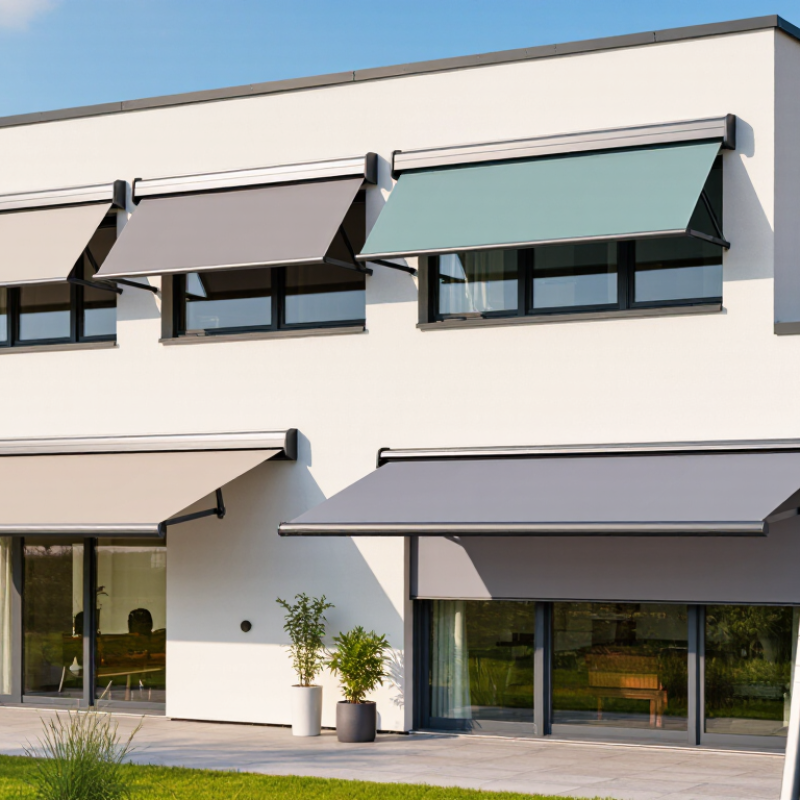
Choosing outdoor window awnings in 2026 starts with understanding your windows, rooms, and daily exposure. Assess each window separately. A kitchen window may need glare control, while a bedroom may need stronger privacy and heat reduction. South- and west-facing glass usually receives harsher afternoon sunlight. Watch the glass during different hours before deciding.
In practical site checks, accurate measurements prevent expensive fitting problems. Record the window width, height, frame depth, and nearby obstacles. Include gutters, lights, doors, and exterior vents. Measure twice. My first measurement once missed a narrow trim edge, which changed the mounting position. Awning projection also matters. A deeper projection provides more shade, but it may face stronger wind loads. Check local weather patterns and the installation surface before selecting a frame or fabric.
Tips: Note sunlight at 9 a.m., noon, and 4 p.m. Use a simple sketch. Mark the strongest glare area. Decide whether manual control is sufficient or motorized operation is more convenient. If windows are difficult to reach, remote control or automatic sensors may improve daily use. Ask a qualified installer to verify wall strength, drainage clearance, and wind limitations. Do not rely only on appearance. A stylish awning can still provide too little coverage, restrict ventilation, or require more maintenance than expected.
Choosing outdoor window awnings in 2026 starts with matching materials to local weather.
Acrylic fabric resists fading and dries quickly after light rain. Polyester can cost less, but its color may weaken under strong sunlight. Powder-coated aluminum offers firm protection and needs little maintenance. Polycarbonate panels block rain well, although they can amplify sound during storms. I inspect seams, brackets, and drainage paths before comparing prices.
Style changes both appearance and performance.
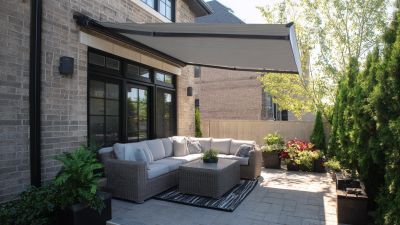
A retractable awning gives flexible shade for a south-facing window. A fixed canopy provides steadier shelter, but it can reduce winter sunlight. Drop-arm awnings suit narrow windows and create useful privacy. Cassette designs protect folded fabric from dust, yet their enclosed mechanisms may require skilled servicing. My first assumption was that larger coverage always worked better. It did not. Poor clearance can trap heat against the wall.
Operating systems deserve equal attention.
Manual crank systems remain dependable during power cuts and suit smaller windows. Motorized versions open smoothly, especially for wide awnings or hard-to-reach rooms. Sun and wind sensors add convenience, but sensors are not perfect. Strong gusts can arrive before a device reacts. I prefer a control system with a manual override and visible status feedback. Check fixing surfaces carefully. Brick, timber, and insulated walls need different anchors. A professional installer should verify load limits, fastener depth, and drainage direction before drilling.
Choosing an outdoor window awning starts with accurate measurements, not appearance. Measure the window width, then add side clearance for better shade. A small awning may look neat but leave the glass hot at midday. I have seen this mistake on west-facing windows.
Measure the projection from the wall to the awning’s front edge. This controls coverage over the glass, sill, and nearby seating. For strong afternoon sun, deeper projection usually works better.
However, excessive coverage can block daylight and make a room feel dull. Check the sun angle during different seasons, not only during one afternoon.
Mounting method matters as much as size. Wall mounting suits solid brick, concrete, or properly framed timber. Fascia mounting can work when the wall surface is difficult, but the structure must carry the load. Avoid fixing into thin cladding alone. It may feel secure at first.
Use corrosion-resistant fasteners in wet or coastal areas. Keep the awning clear of doors, gutters, and opening windows.
A professional installer should inspect the substrate, fastener spacing, and local wind exposure. Follow the installation instructions carefully. Small errors become expensive.
I once allowed too little clearance above a window, and maintenance became awkward. That detail still influences my measurements. Recheck every dimension before drilling. Guesswork rarely improves shade.
Weather resistance should be judged by evidence, not fabric thickness. Check tested performance for wind pressure, ultraviolet exposure, water shedding, and corrosion. Coastal homes need rust-resistant fasteners and breathable fabrics that dry quickly.
The International Energy Agency’s Buildings 2023 report states that buildings use about 30% of global final energy. That makes solar control a practical design issue, not decoration. Still, local climate matters more than broad statistics. A shaded west-facing window can behave differently from a protected south-facing window.
The U.S. Department of Energy reports that exterior awnings may reduce solar heat gain by up to 65% on south-facing windows and 77% on west-facing windows.
These figures are useful benchmarks, not guaranteed savings. Window direction, glass type, indoor temperature, and awning position change the result. Choose adjustable projection where afternoon sun is severe. Small details matter.
Maintenance is often underestimated. Inspect seams, hinges, brackets, and drainage after storms. Remove dust before it becomes a damp, gritty layer. Follow the manufacturer’s cleaning limits, because harsh chemicals can weaken coatings.
I once assumed a larger awning meant better efficiency; it instead created more cleaning work and blocked useful winter sunlight. That mistake is worth remembering.
A simple maintenance log can record fading, loose hardware, and fabric tension twice a year.
Choosing an outdoor window awning in 2026 should begin with a realistic budget, not a showroom picture. Include the awning, brackets, labor, delivery, permits, electrical work, and possible wall repairs. Add a 15% contingency for hidden damage or unusual masonry. Measure twice.
The U.S. Department of Energy reports that awnings can reduce solar heat gain by up to 65% on south-facing windows and 77% on west-facing windows. The EIA’s 2020 Residential Energy Consumption Survey found that 89% of U.S. homes used air-conditioning. These figures make shading valuable, but savings depend on window direction, fabric openness, climate, and daily operation. A cheaper manual awning may suit a rarely used room better than a motorized system.
Verify installation conditions before ordering. Check the wall substrate, window trim, roof overhang, drainage path, and clearance above doors. Coastal or exposed sites need stronger wind-rated hardware and careful anchoring. Motorized units may require a qualified electrician and weatherproof connections. Local building officials may also require permits or structural details. The International Code Council’s wind-load provisions are useful references, but they do not replace a site assessment. A common mistake is budgeting only for the product. My own planning bias would be choosing a larger projection too quickly. It can block more sun, yet it may interfere with shutters, gutters, or nearby walkways.
© 2025 Fiberama All Rights Reserved.